💧 Give a well in a loved one's name: a sadaqah jariyah that keeps on flowing.

Ihsan Quest

Guide · Sadaqah jariyah

Sadaqah jariyah: the charity that keeps flowing

What it is, what the Qur'an and the Sunnah say about it, concrete ideas, and how to give it for yourself or for someone you love. Every text quoted here comes with its reference.

In short

Sadaqah jariyah is an ongoing charity, one “that remains after the person's death” (Sheikh Ibn Baz), such as a well or a fruit tree.

صدقةجارية

Ṣadaqa jāriya · the charity that keeps flowing

Meaning

What is sadaqah jariyah?

  • صَدَقَة

    Sadaqah

    A voluntary charity: what you give for the sake of Allah, beyond the obligatory zakat.

  • جَارِيَة

    Jariyah

    Flowing, ongoing: like running water, it does not stop.

Sadaqah jariyah is a charity whose good lasts over time. A meal given feeds once; a well gives water every day, for years.

The term comes from the hadith narrated by Muslim (no. 1631): when a person dies, their deeds come to an end except for three, and the first one named is the ongoing charity.

It can also be given on behalf of a deceased loved one: the Prophet (peace be upon him) answered “Yes” to the man who asked whether his late mother would be rewarded for the charity he gave on her behalf (Al-Bukhari, no. 1388).

Sheikh Ibn Baz (may Allah have mercy on him) explains:

الصدقة الجارية يعني المستمرة التي تبقى بعد موت الشخص

“Sadaqah jariyah means the ongoing charity that remains after the person's death.”
Fatwa no. 15424, official website of Sheikh Ibn Baz

Sadaqah, sadaqah jariyah, zakat: the difference

  • Sadaqah

    Any voluntary charity: a meal, a gift of money, a kind word. Its benefit can be immediate and one-off.

  • Sadaqah jariyah

    A voluntary charity whose good lasts: a well, a tree, beneficial knowledge.

  • Zakat

    An obligation and a pillar of Islam, with its own rules (threshold, rate, recipients). Our projects are voluntary charities: for your zakat, ask a scholar you trust.

Hadiths and verses

What the Qur'an and the Sunnah say about it

Each text is given in Arabic, with its translation and its exact reference.

  1. The Prophet (peace be upon him) said:

    1

    إِذَا مَاتَ الْإِنْسَانُ انْقَطَعَ عَنْهُ عَمَلُهُ إِلَّا مِنْ ثَلَاثَةٍ: إِلَّا مِنْ صَدَقَةٍ جَارِيَةٍ، أَوْ عِلْمٍ يُنْتَفَعُ بِهِ، أَوْ وَلَدٍ صَالِحٍ يَدْعُو لَهُ

    “When a person dies, their deeds come to an end except for three: an ongoing charity, knowledge from which benefit is derived, or a righteous child who prays for them.”

    Narrated by Muslim, no. 1631

  2. Allah says (Surah Ya-Sin):

    2

    إِنَّا نَحْنُ نُحْيِي الْمَوْتَىٰ وَنَكْتُبُ مَا قَدَّمُوا وَآثَارَهُمْ ۚ وَكُلَّ شَيْءٍ أَحْصَيْنَاهُ فِي إِمَامٍ مُّبِينٍ

    “It is We who bring the dead to life, and We record what they have sent ahead and the traces they leave behind. And everything We have counted in a clear register.”

    Qur'an, 36:12 · tafsir of Ibn Kathir

    Ibn Kathir explains “their traces” as the legacy a person leaves behind, and quotes the hadith of sadaqah jariyah on this verse.

  3. The Prophet (peace be upon him) said:

    3

    مَا مِنْ مُسْلِمٍ يَغْرِسُ غَرْسًا، أَوْ يَزْرَعُ زَرْعًا، فَيَأْكُلُ مِنْهُ طَيْرٌ أَوْ إِنْسَانٌ أَوْ بَهِيمَةٌ، إِلَّا كَانَ لَهُ بِهِ صَدَقَةٌ

    “No Muslim plants a tree or sows a crop, from which a bird, a person or an animal then eats, without it counting as a charity for him.”

    Narrated by Al-Bukhari, no. 2320, and Muslim, no. 1553

  4. The Prophet (peace be upon him) said:

    4

    إِنْ قَامَتِ السَّاعَةُ وَفِي يَدِ أَحَدِكُمْ فَسِيلَةٌ، فَإِنِ اسْتَطَاعَ أَنْ لَا تَقُومَ حَتَّى يَغْرِسَهَا فَلْيَغْرِسْهَا

    “If the Hour comes while one of you has a young plant in his hand, and he is able to plant it before it comes, let him plant it.”

    Narrated by Al-Bukhari in Al-Adab al-Mufrad, no. 479, and Ahmad, no. 12981 (authenticated by Al-Albani)

  5. Sa'd ibn 'Ubada asked the Prophet (peace be upon him):

    5

    يَا رَسُولَ اللَّهِ، إِنَّ أُمَّ سَعْدٍ مَاتَتْ، فَأَيُّ الصَّدَقَةِ أَفْضَلُ؟ قَالَ: «الْمَاءُ». فَحَفَرَ بِئْرًا وَقَالَ: هَذِهِ لِأُمِّ سَعْدٍ

    “O Messenger of Allah, the mother of Sa'd has died: which charity is best?” He said: “Water.” So Sa'd dug a well and said: “This is for the mother of Sa'd.”

    Narrated by Abu Dawud, no. 1681

  6. A man said to the Prophet (peace be upon him):

    6

    إِنَّ أُمِّي افْتُلِتَتْ نَفْسُهَا، وَأَظُنُّهَا لَوْ تَكَلَّمَتْ تَصَدَّقَتْ، فَهَلْ لَهَا أَجْرٌ إِنْ تَصَدَّقْتُ عَنْهَا؟ قَالَ: «نَعَمْ»

    “My mother died suddenly, and I think that if she could have spoken, she would have given charity. Will she have a reward if I give charity on her behalf?” He said: “Yes.”

    Narrated by Al-Bukhari, no. 1388, and Muslim, no. 1004

  7. Allah says (Surah Al-Baqarah):

    7

    مَّثَلُ الَّذِينَ يُنفِقُونَ أَمْوَالَهُمْ فِي سَبِيلِ اللَّهِ كَمَثَلِ حَبَّةٍ أَنبَتَتْ سَبْعَ سَنَابِلَ فِي كُلِّ سُنبُلَةٍ مِّائَةُ حَبَّةٍ ۗ وَاللَّهُ يُضَاعِفُ لِمَن يَشَاءُ

    “Those who spend their wealth in the way of Allah are like a grain that grows seven ears, with a hundred grains in each ear. And Allah multiplies for whom He wills.”

    Qur'an, 2:261

Concrete ideas

Sadaqah jariyah ideas, from the hadiths

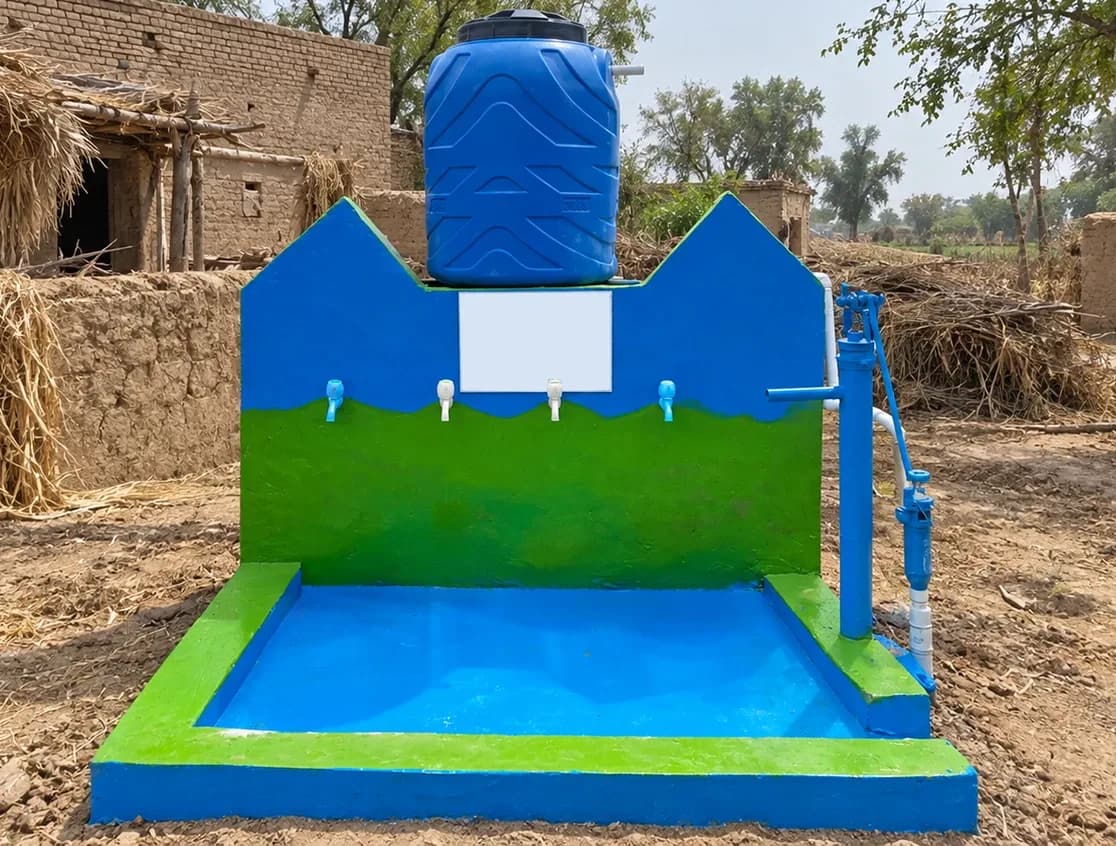
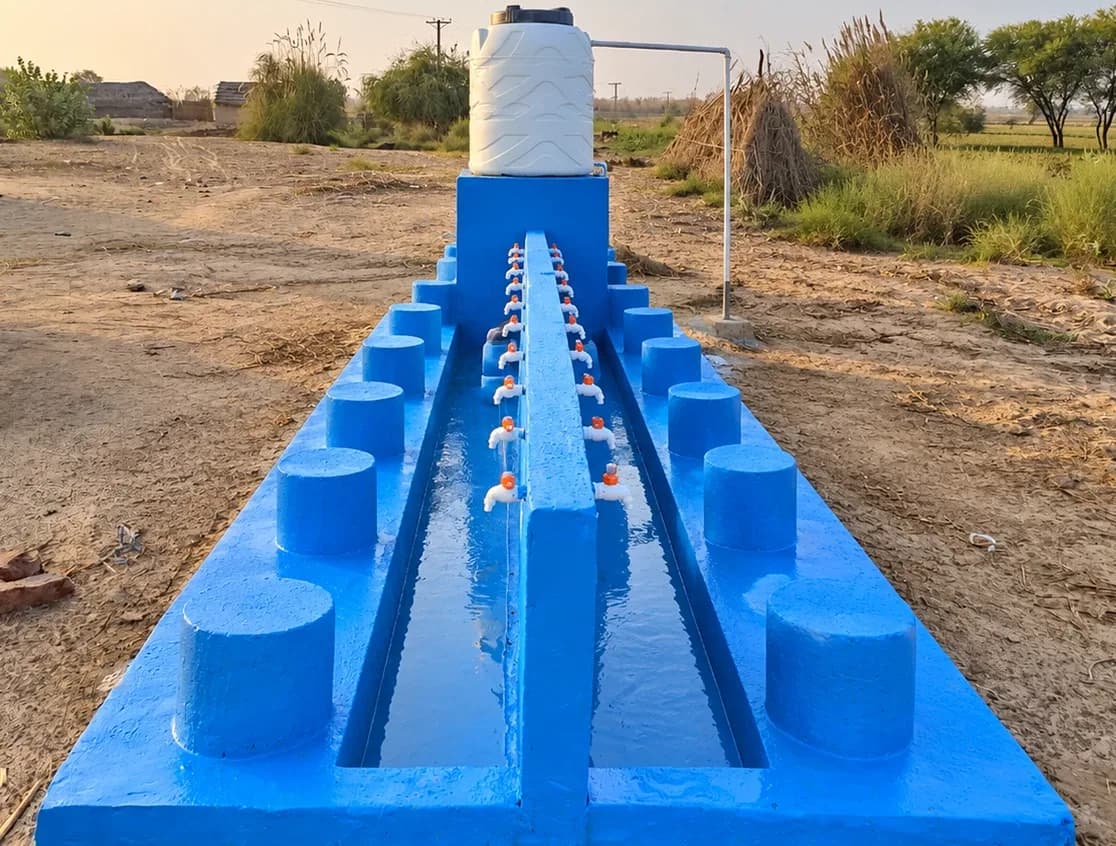
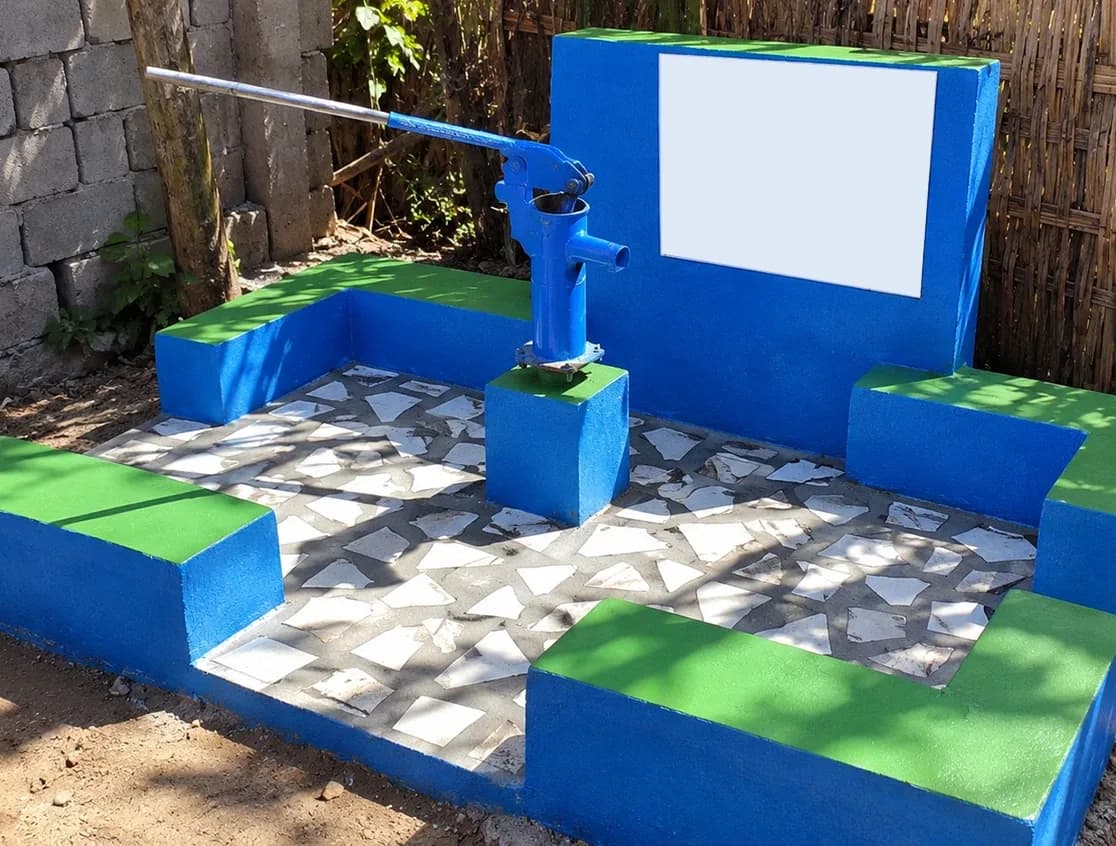
Water and planting are named in the hadiths: these are the two projects we fund, carried out by our partners on site, with photos and videos as proof.

Other forms of sadaqah jariyah, around you

  • Beneficial knowledge

    Teaching the Qur'an, a skill or a piece of good advice that others will pass on.

    Narrated by Muslim, no. 1631

  • A righteous child

    Raising your children in goodness, so that they pray for you.

    Narrated by Muslim, no. 1631

  • A good practice

    Starting a good habit that others follow: you are rewarded each time they follow it.

    Narrated by Muslim, no. 1017

  • An endowment (waqf)

    Setting aside a property whose income goes to good works, or placing useful books in a public library.

    Sheikh Ibn Baz, fatwa no. 15424

Ihsan Quest funds wells and fruit trees. The other forms are up to you, around you.

For whom?

For yourself, for a deceased person, for someone you love

The same project can carry the name of your choice on its sign, or none at all.

  • For yourself, during your lifetime

    Prepare what will continue after you, as the hadith of Muslim (no. 1631) mentions. You can stay anonymous on the sign.

    Choose my project
  • For a deceased loved one

    A father, a mother, a child: the charity given on their behalf reaches them (Al-Bukhari, no. 1388). Their name goes on the sign.

    Sadaqah jariyah for the deceased
  • In the name of a living loved one

    Honour your parents, a child or a friend: their name on the sign, and a project page to share with them.

    Choose a project in their name

Our projects

Start your sadaqah jariyah

The price shown is the price paid, all included: the work, the sign, the photos, the videos and the follow-up.

Build a well

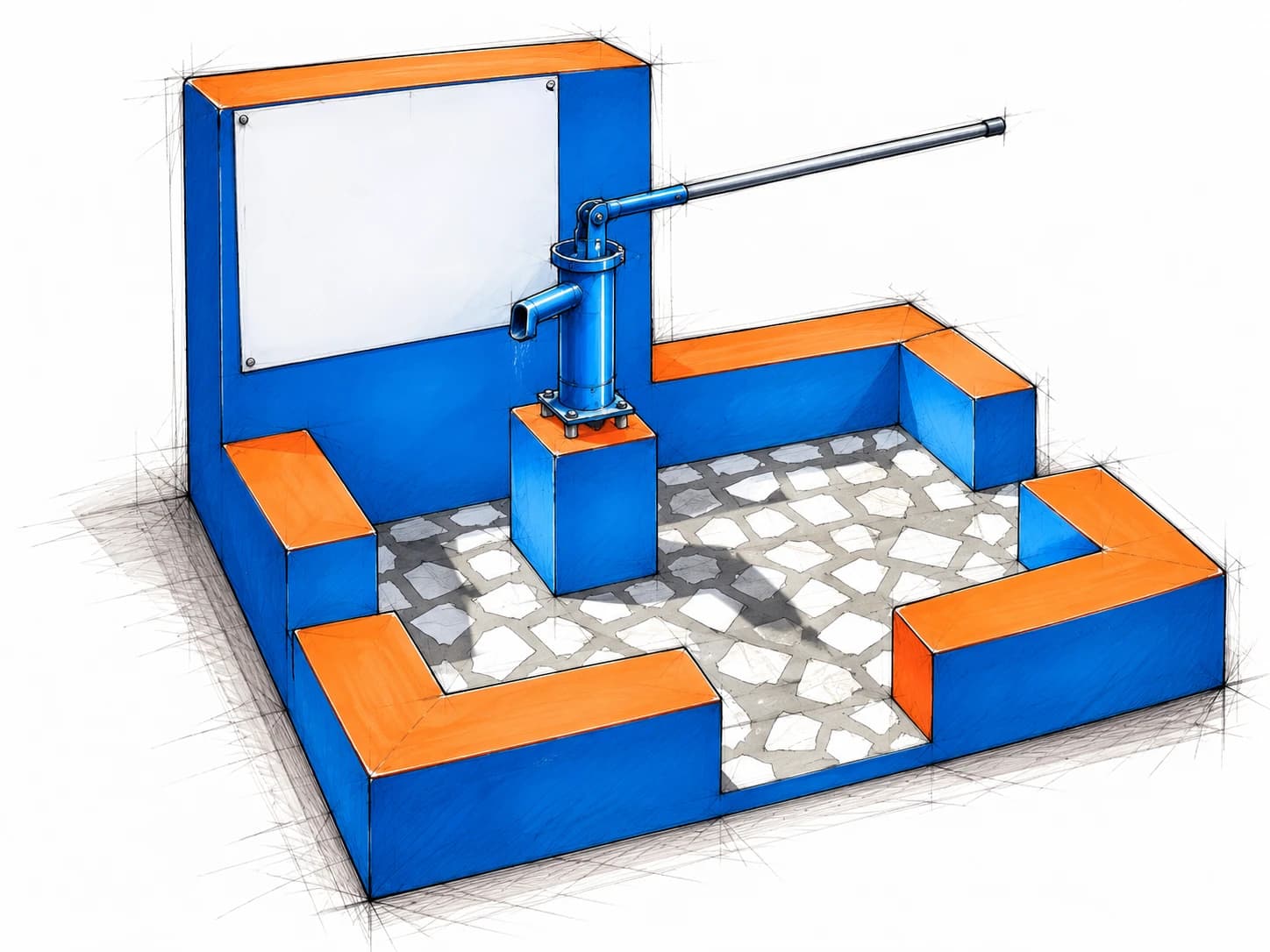
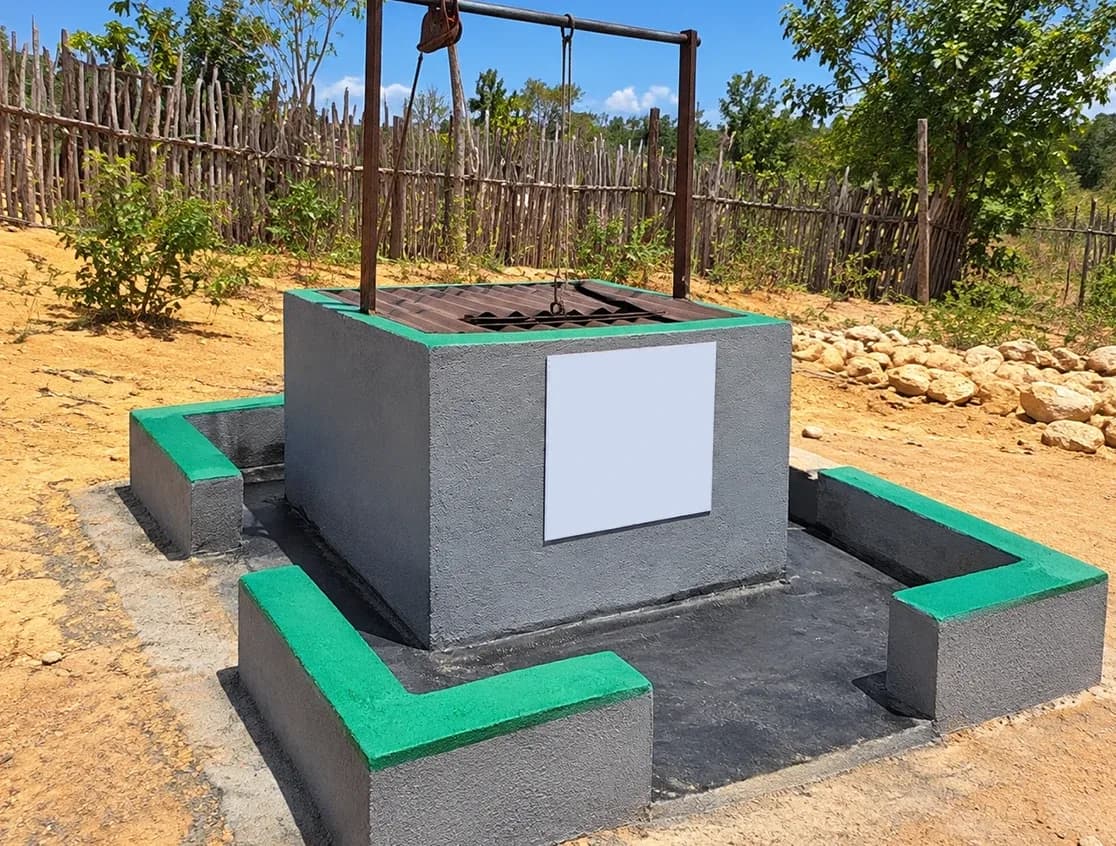
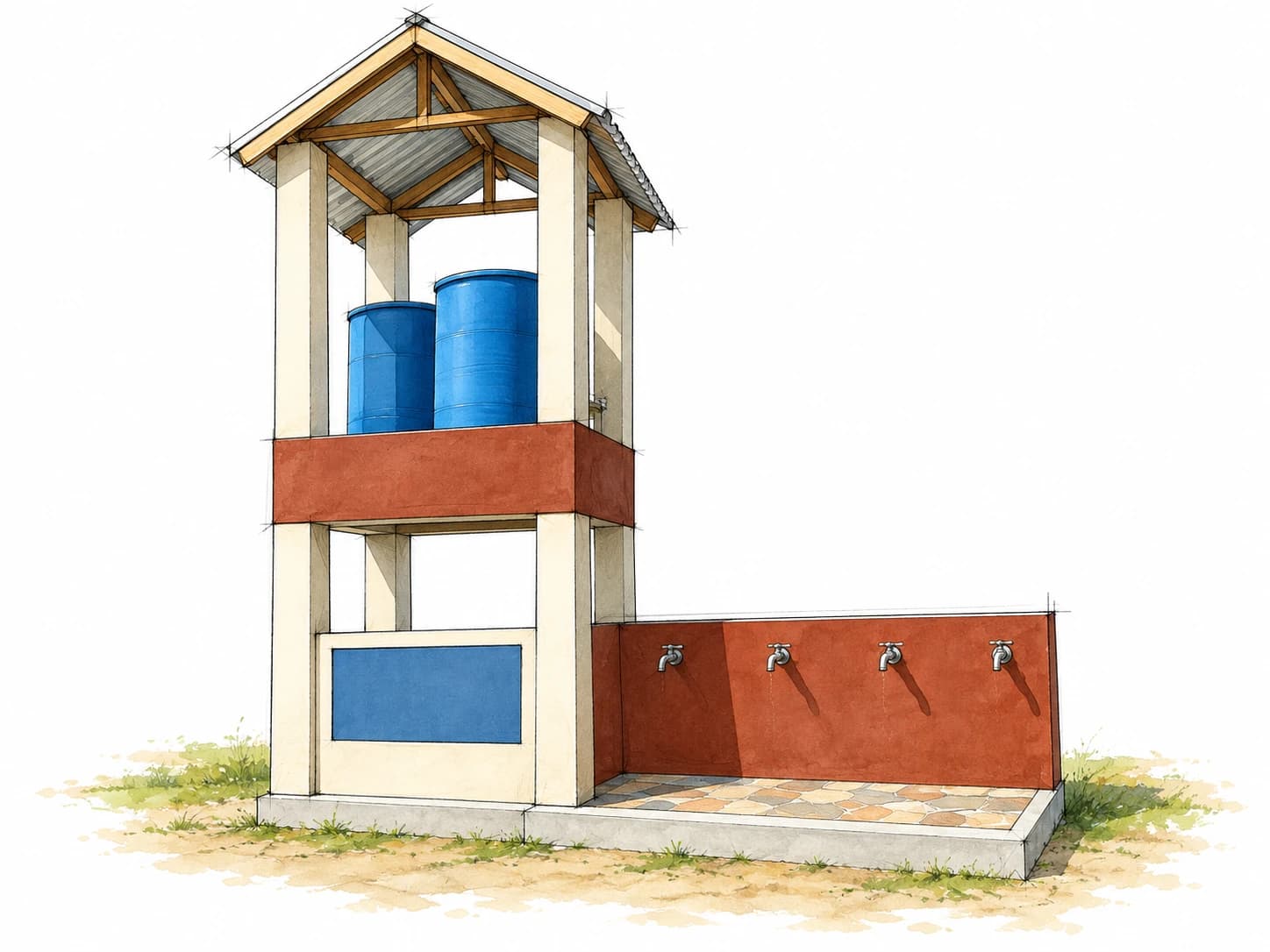
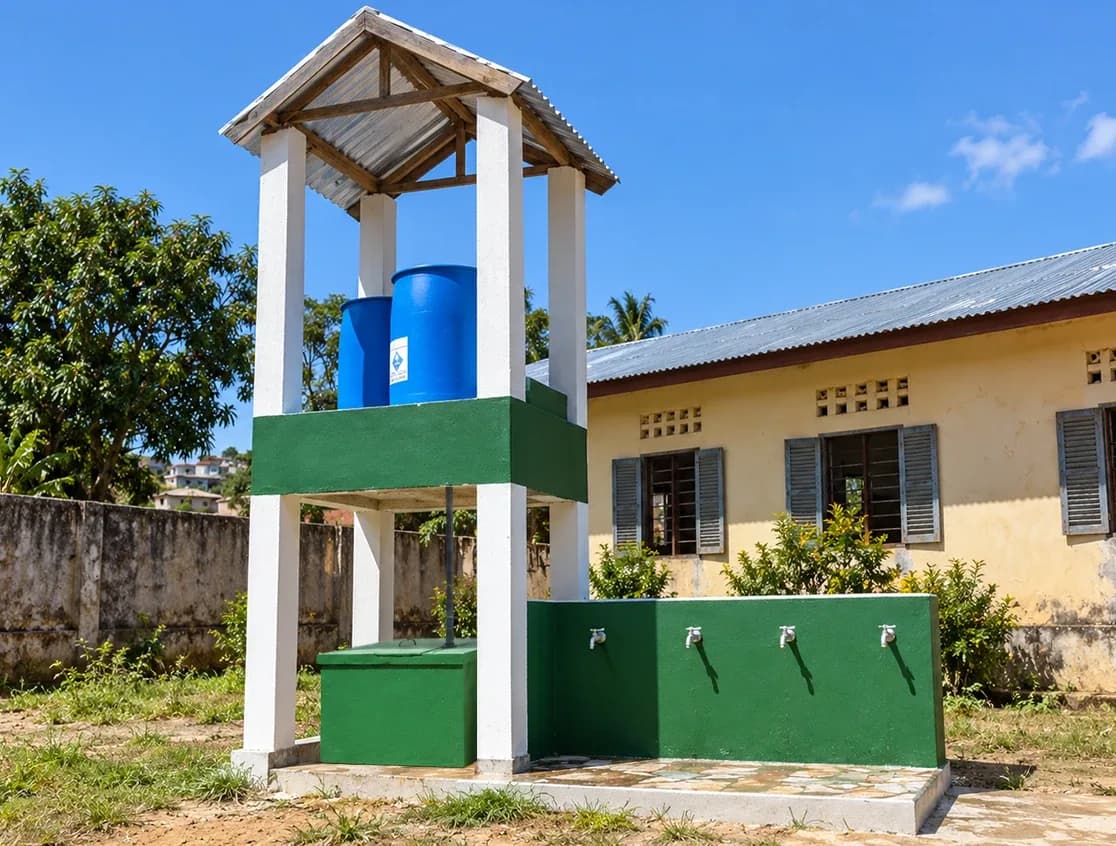
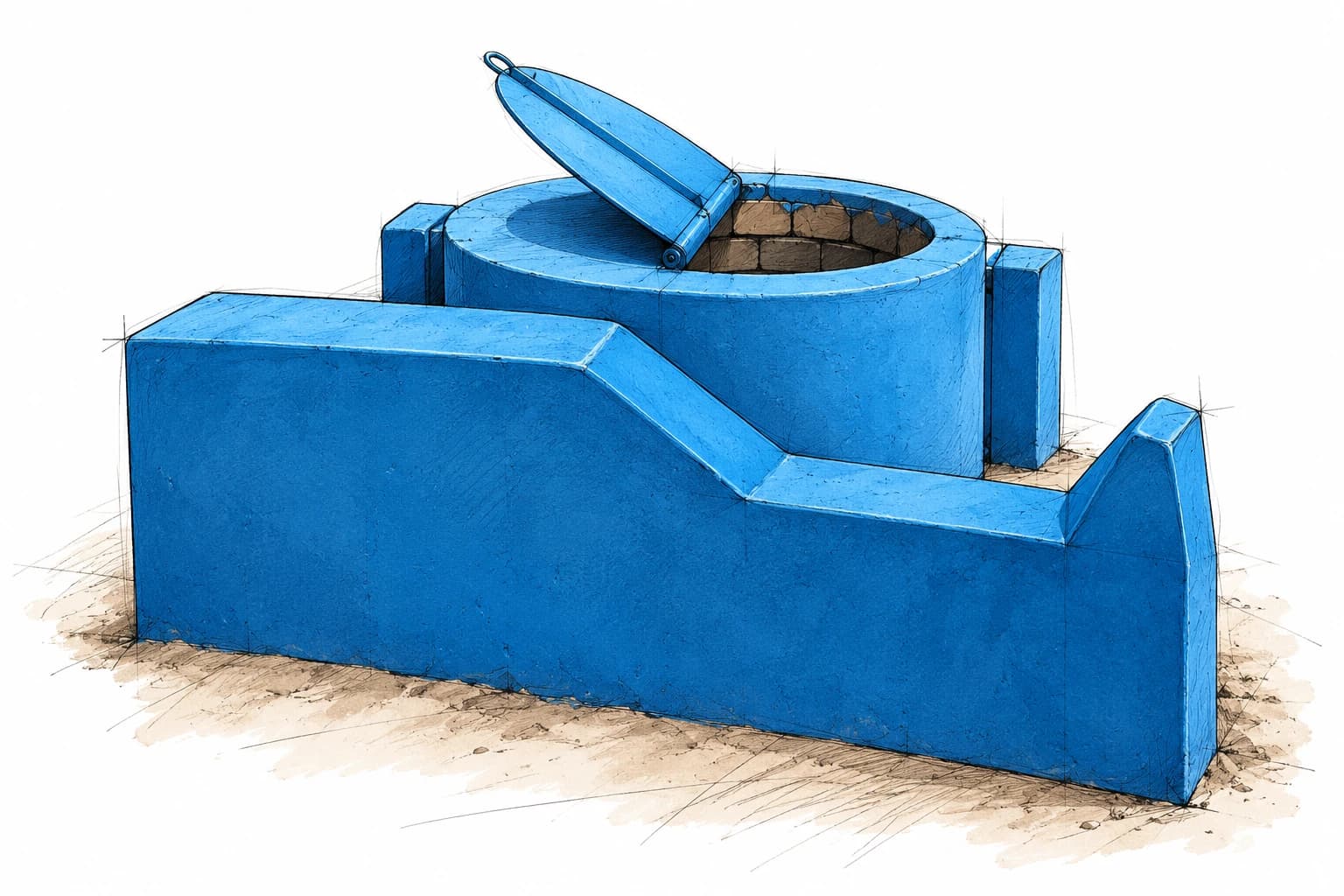
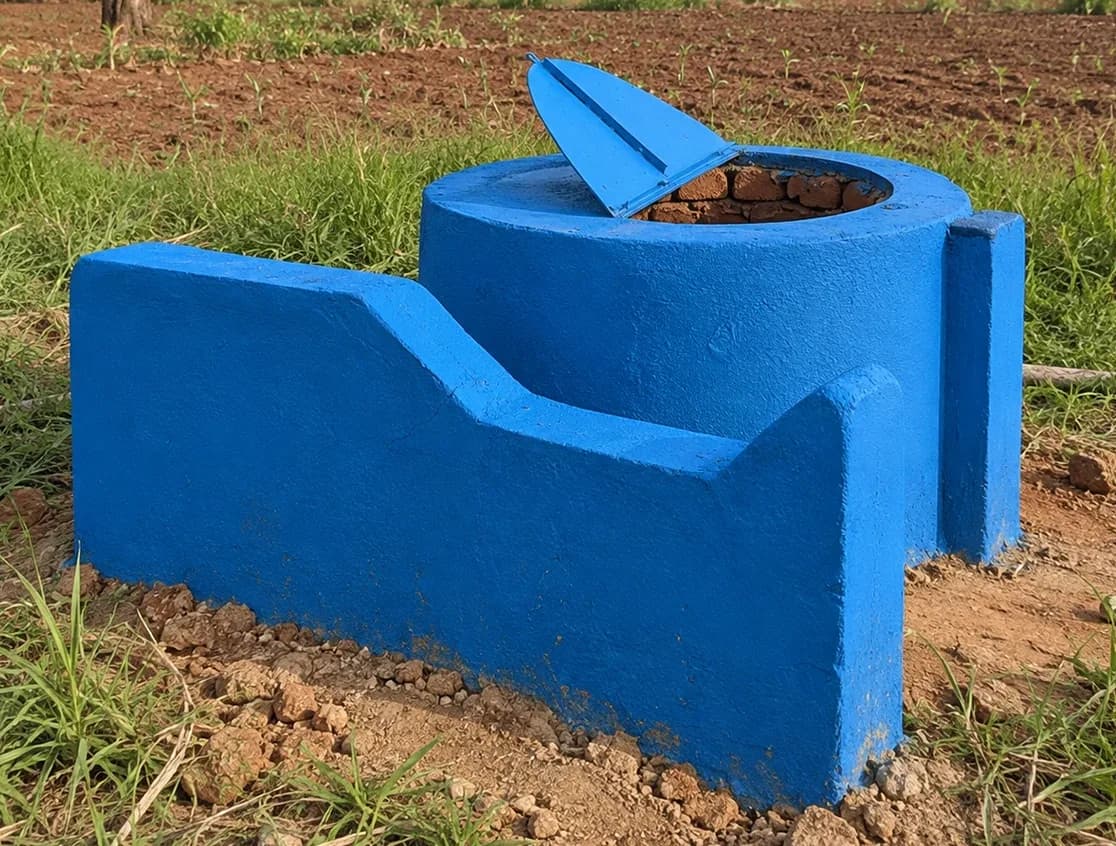
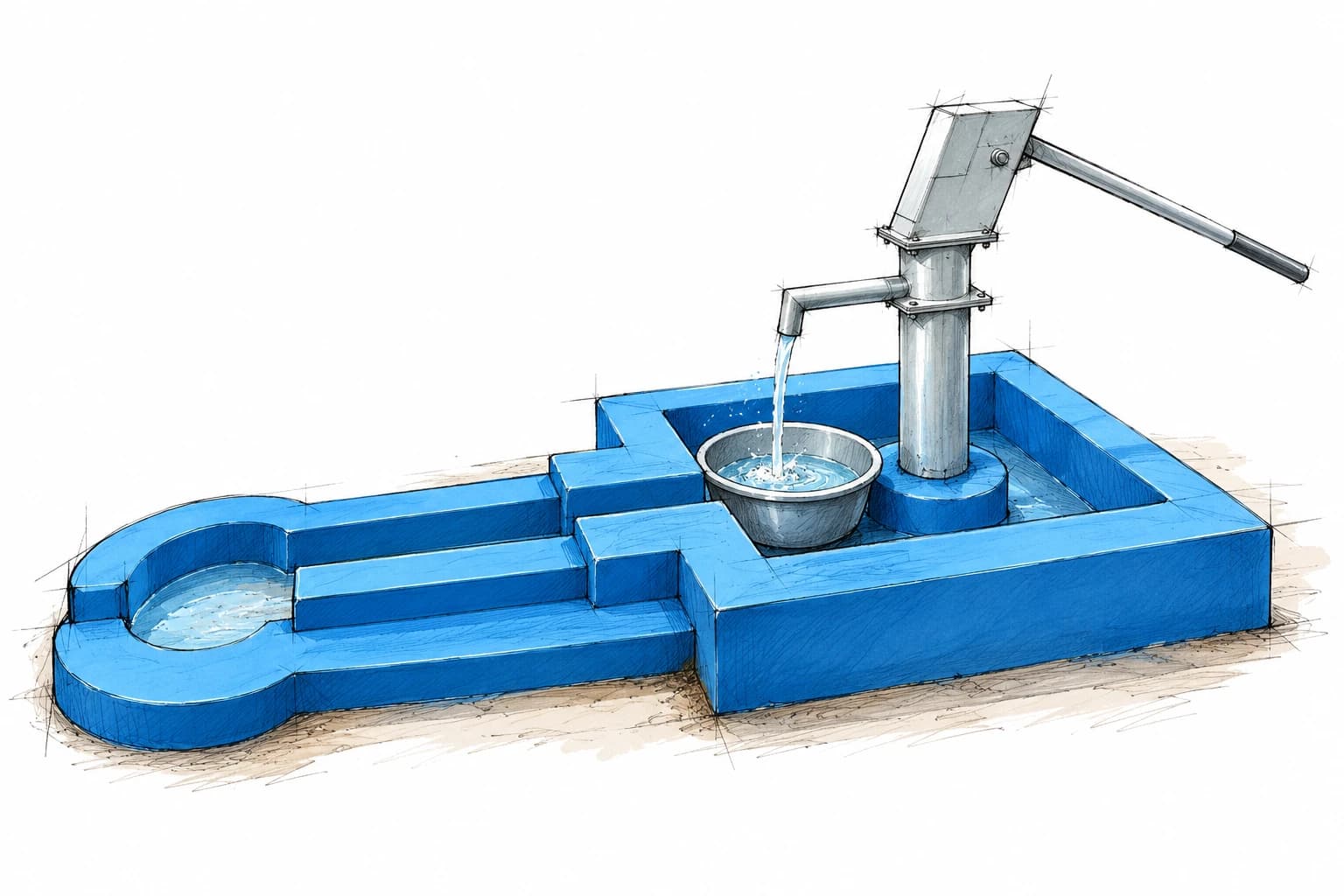
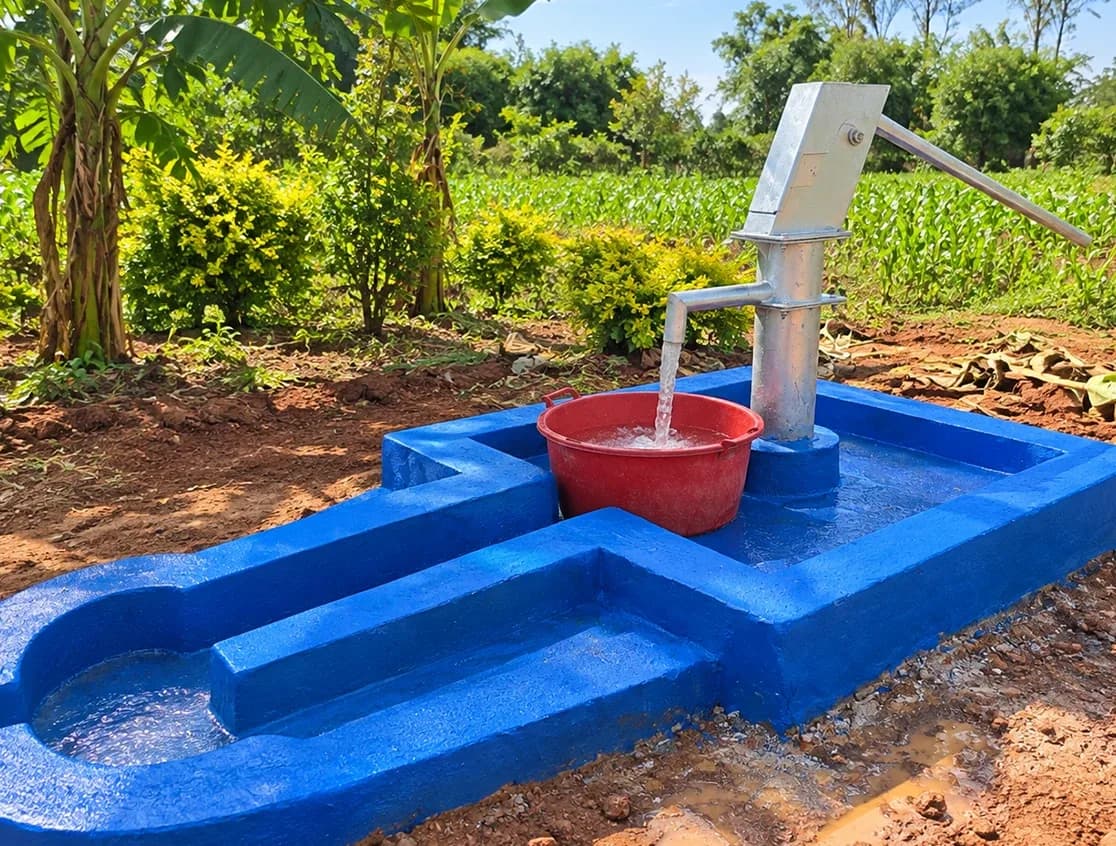
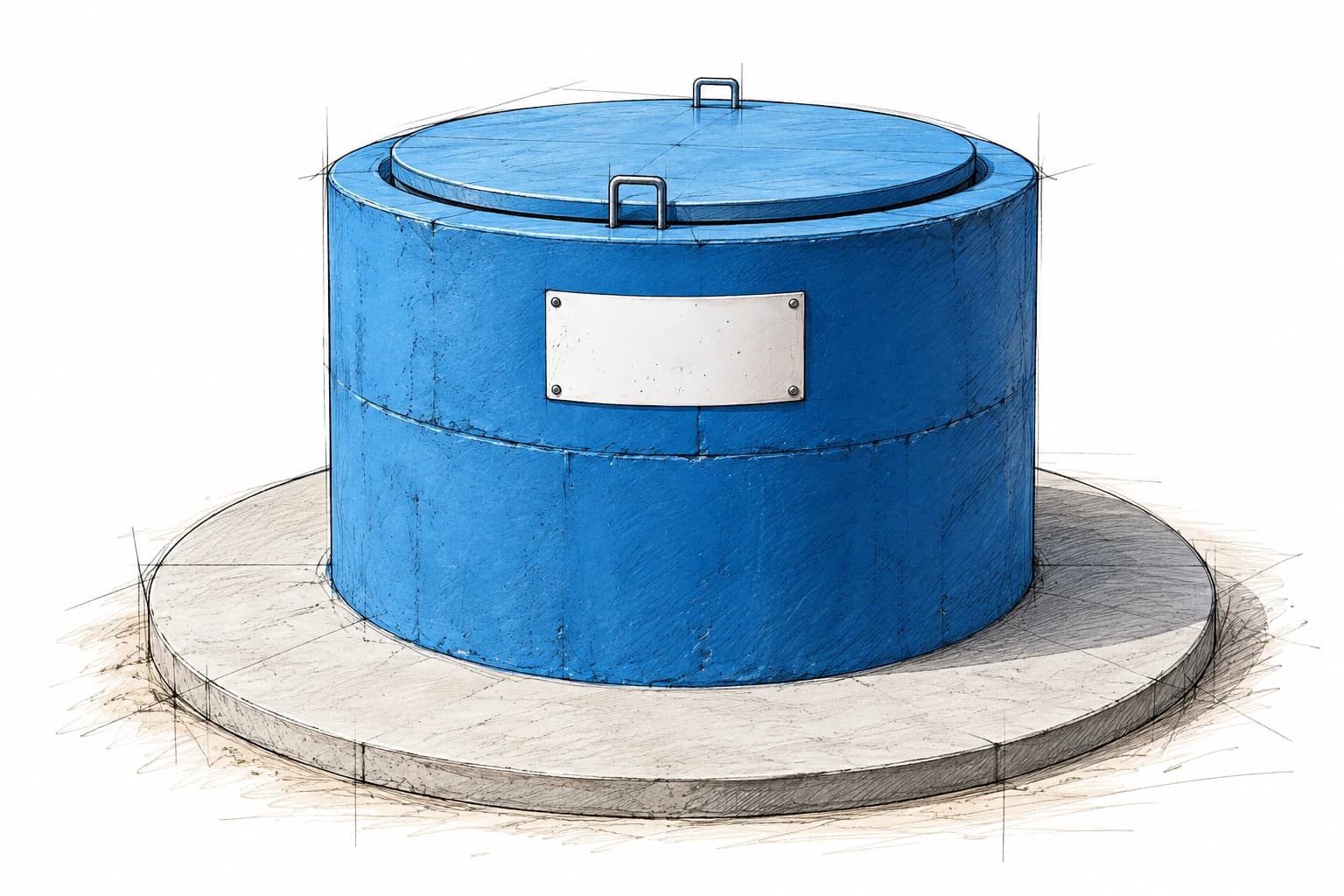
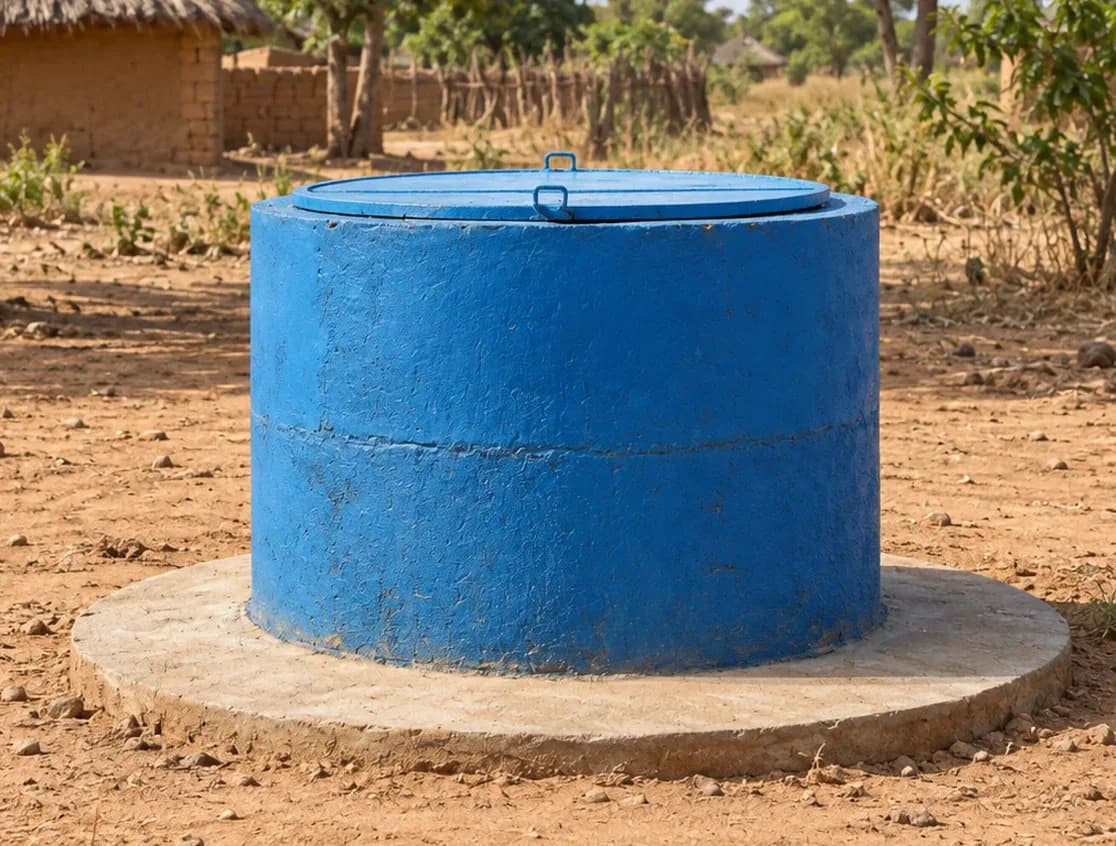
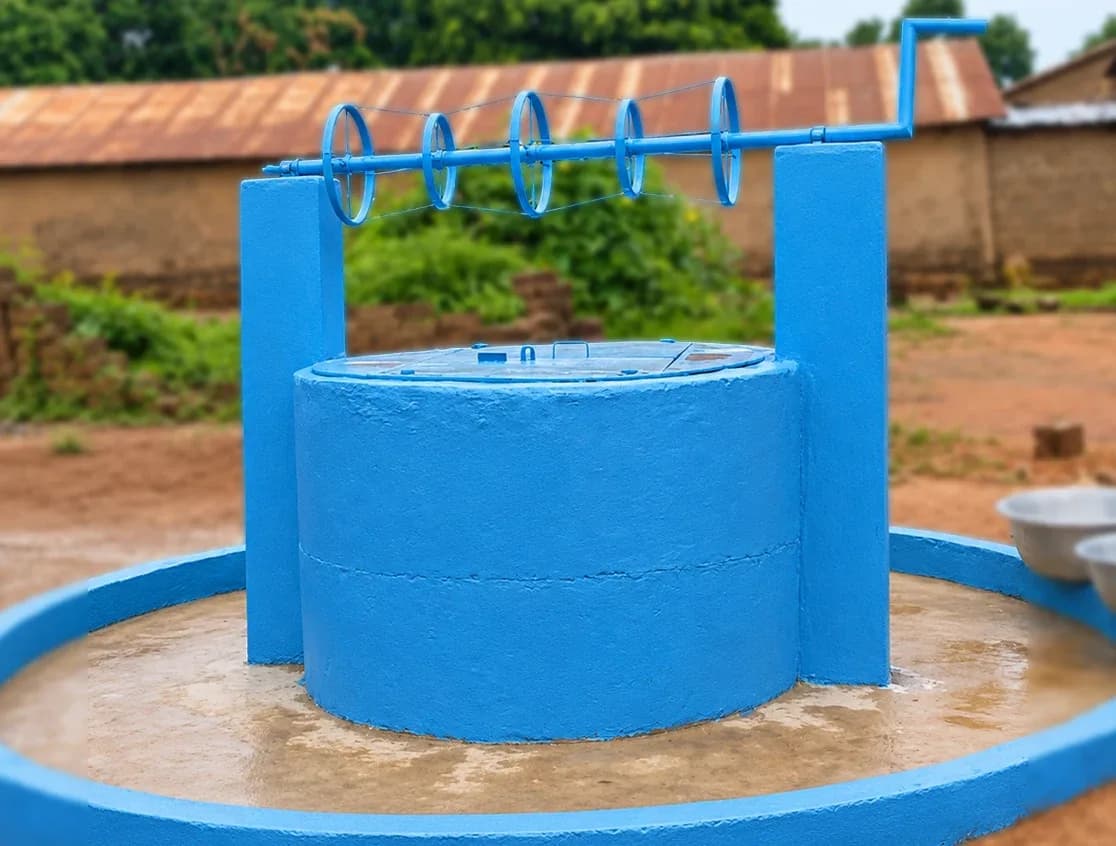
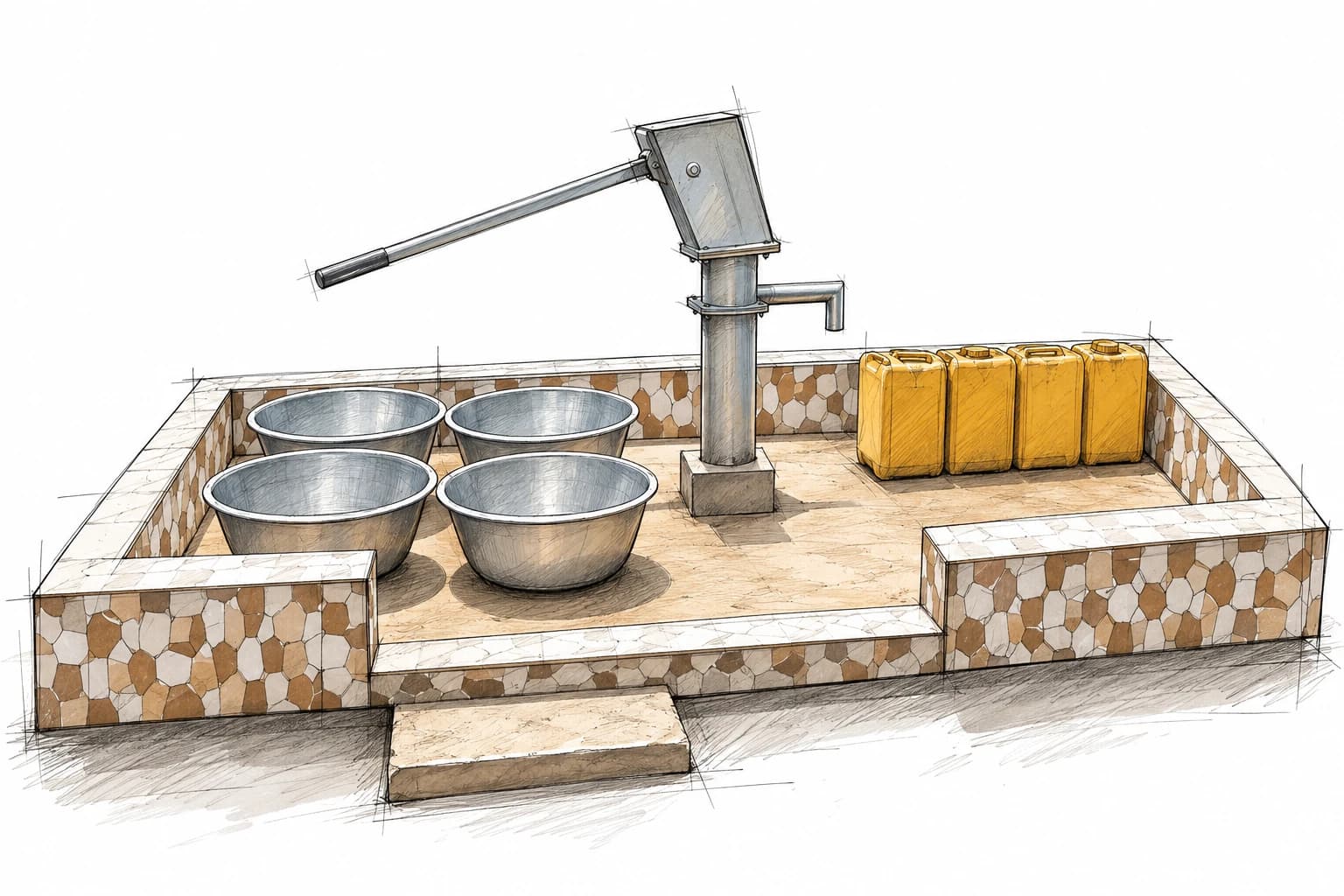
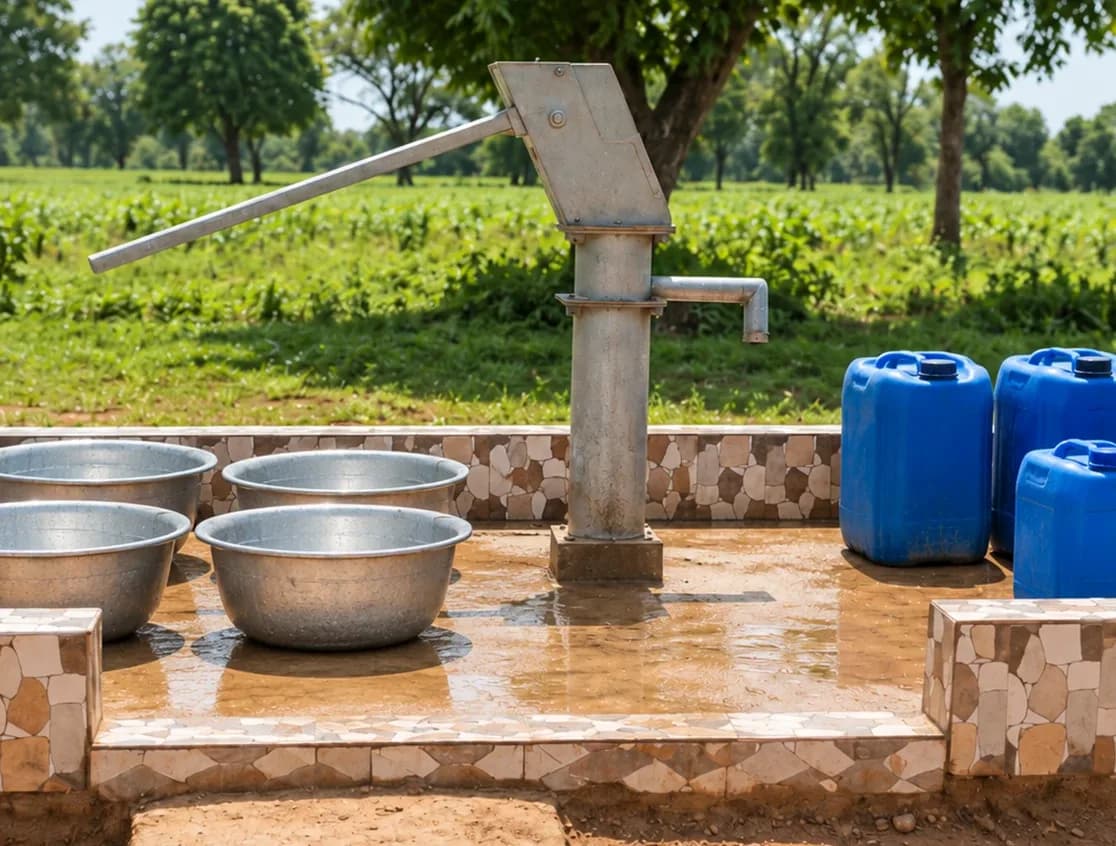
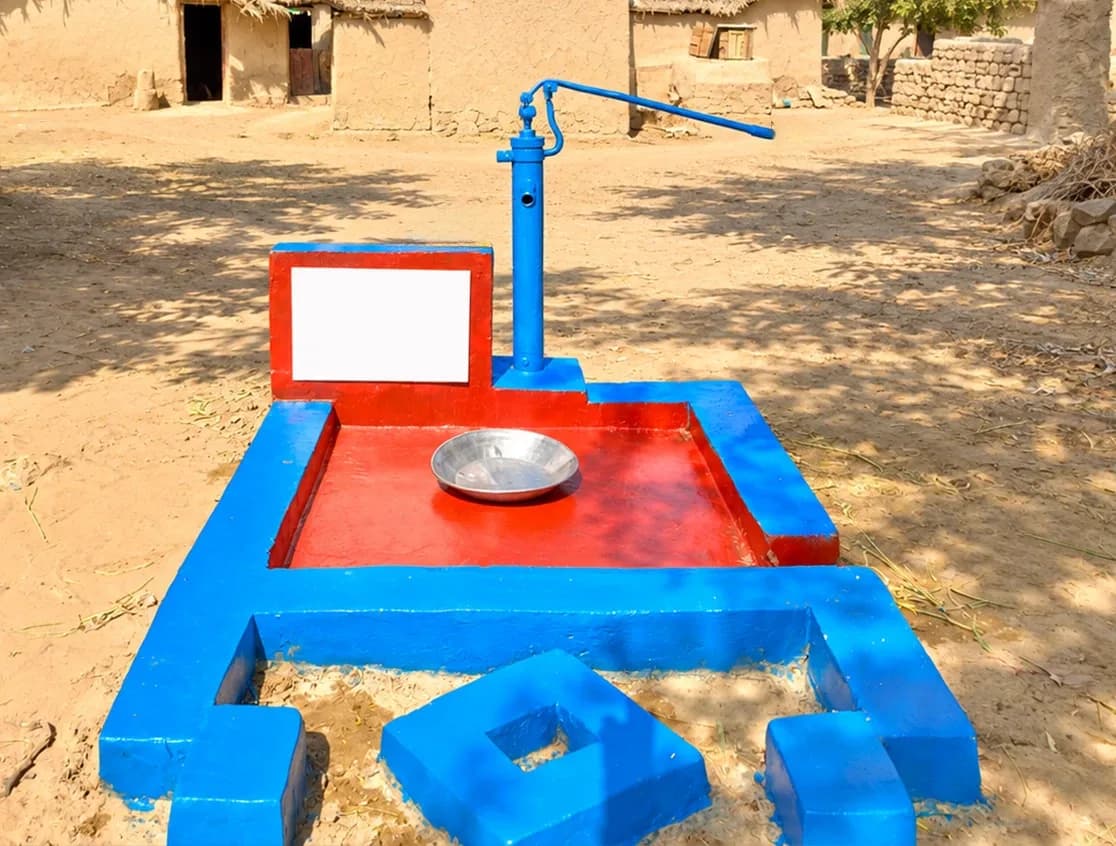
Hand pump, traditional well or electric well: choose a country, then the model. Every well carries a sign with the name of your choice.

Questions

Sadaqah jariyah: your questions

Another question?

A real person from our team will answer you, in English or French.

What does “sadaqah jariyah” mean?

Sadaqah means voluntary charity, and jariyah means flowing, ongoing. Sheikh Ibn Baz defines it as “the ongoing charity that remains after the person's death” (fatwa no. 15424). It is named in the hadith narrated by Muslim (no. 1631).

What is the difference between sadaqah, sadaqah jariyah and zakat?

Sadaqah is any voluntary charity. Sadaqah jariyah is a voluntary charity whose benefit lasts. Zakat is an obligation, a pillar of Islam with its own rules (threshold, rate, recipients). Our projects are voluntary charities: for your zakat, ask a scholar you trust.

Can I give a sadaqah jariyah for myself, during my lifetime?

Yes. The hadith narrated by Muslim (no. 1631) names the ongoing charity among a person's deeds that do not come to an end at their death. You can fund a project for yourself and stay anonymous on the sign.

How much do I need to give for a sadaqah jariyah?

There is no minimum: the Prophet (peace be upon him) encouraged giving “even half a date” (narrated by Muslim, no. 1017). With us, a fruit tree starts from $35 and a well from $210, all included.

Which examples of sadaqah jariyah do the hadiths mention?

Water, which the Prophet (peace be upon him) named when Sa'd asked which charity was best for his late mother (Abu Dawud, no. 1681); planting trees whose fruit is eaten (Al-Bukhari, no. 2320, and Muslim, no. 1553); beneficial knowledge and a righteous child who prays for the deceased (Muslim, no. 1631).

Your sadaqah jariyah

The charity that keeps flowing starts today

Choose a well or fruit trees, the name on the sign, or none at all. We take care of the rest, all the way to the photos and videos.

Secure payment with Stripe, receipt sent by email