
Guide · Pakistan
The water crisis in Pakistan, in figures
Pakistan draws most of its water from underground, from the huge aquifer beneath the Indus plain. This reserve is under strain. Here is what the World Bank's figures show, and what they mean for a village.
In short
More than 70% of Pakistan's drinking water comes from underground. Yet less than 13% of the water stored beneath the Indus plain is fresh, and in places the water table drops year after year. In the villages, a well close to homes is still the most direct way to get water every day.
Key figures
Pakistan's water in four figures
Figures from the World Bank report on groundwater in the Indus basin (2021), or from the studies it cites.
- 70%+of Pakistan's drinking water comes from underground
- 9 in 10rural households in Punjab and Sindh depend on groundwater, drawn mostly with hand pumps and motor pumps
- 62 bn m³of groundwater pumped each year: about a third of all the water withdrawn in the country
- 80×more fresh water in the aquifer, at the very least, than behind the country's three largest dams
Beneath the Indus plain
A layer of fresh water on top of salty water
Before the great canals, the water beneath the Indus plain was mostly deep and salty, except close to the rivers. From the early 1900s, a vast irrigation network was built there, now the largest continuous one in the world. Water seeping from its canals has slowly formed a layer of fresh water that sits on top of older, brackish or salty water.
This fresh water is precious, but limited: according to the World Bank, it makes up less than 13% of the water stored in the aquifer. When too much is pumped, or too deep, salty water can rise and spoil the water drawn. That is why, in Pakistan, where a well is dug and how deep matter so much.
- Fresh waterLess than 13%
- Brackish or salty waterMore than 87%
Our charts, based on World Bank figures (2021).
A reserve under strain
A water table that keeps dropping
Since the 1960s, pumping has grown with very little control. Groundwater now covers more than half of the irrigation needs in Punjab, and the amount pumped each year exceeds what rain and canals put back, with large differences from one place to another.
In Lahore, wells are dug ever deeper as the water table drops. In Sindh, the problem is often the opposite: the water rises too high, soaks the land and leaves salt behind as it evaporates.
Water table in Lahore: average drop per year
- 1960s
- 0.3 m
- Late 2000s
- More than 0.7 m
As the population grows, the water available for each person keeps shrinking.
m³ per person per year
| Year | m³ per person per year |
|---|---|
| 2010 | 1,500 m³ |
| 2018 | 1,100 m³ |
| 2025 (forecast) | 1,000 m³ |
| 2050 (forecast) | 900 m³ |
Our chart, based on figures cited by the World Bank (2021). 2025 and 2050: forecasts.
In the villages
What it means for a village
In the countryside, running water is rare. In Punjab and Sindh, more than nine rural households in ten draw their water from underground, mostly with hand pumps and motor pumps. In Balochistan and Khyber Pakhtunkhwa, more than 70% of rural households have no piped water.
Water is needed every day: to drink, to cook, and for the ablutions before each of the five daily prayers. A well close to homes or to the mosque saves long trips and gives a village water it can count on.
Our wells in Pakistan
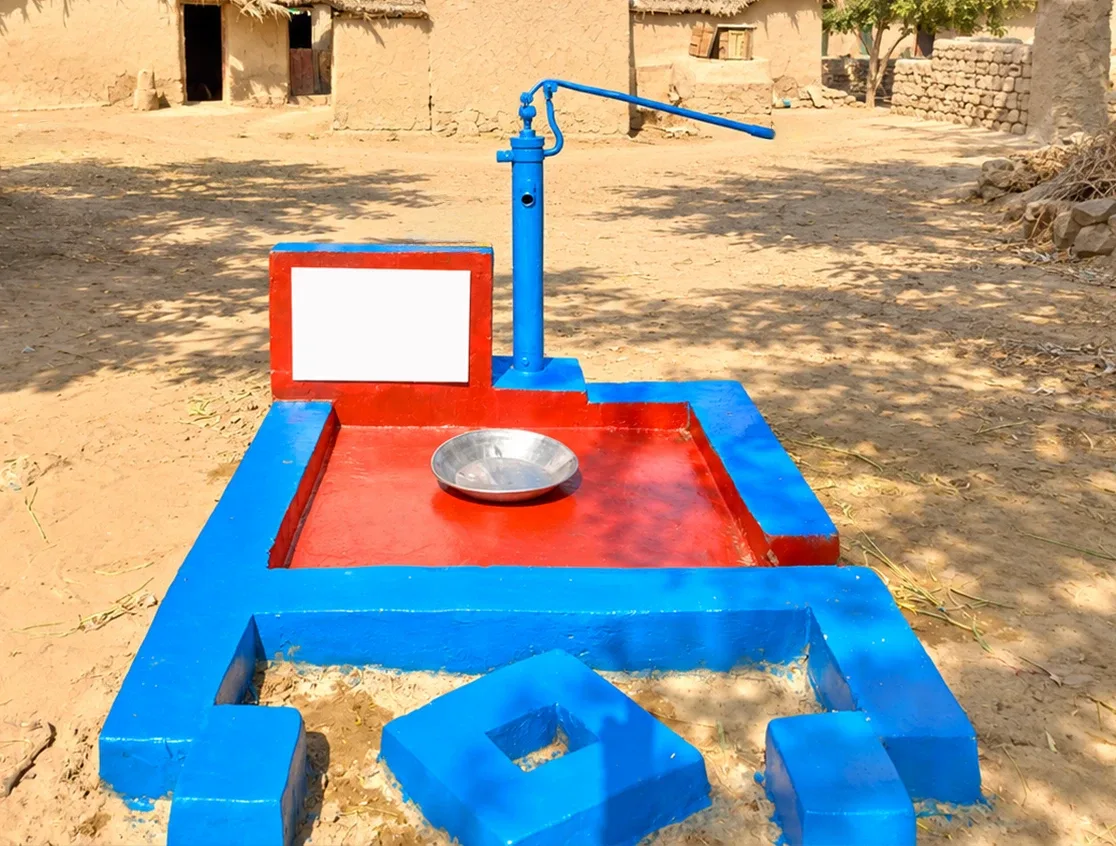
A hand pump, an electric well with a tank or an ablution bench: our partner in Pakistan builds it, the sign carries the name of your choice, and you receive the photos and videos of the finished well.
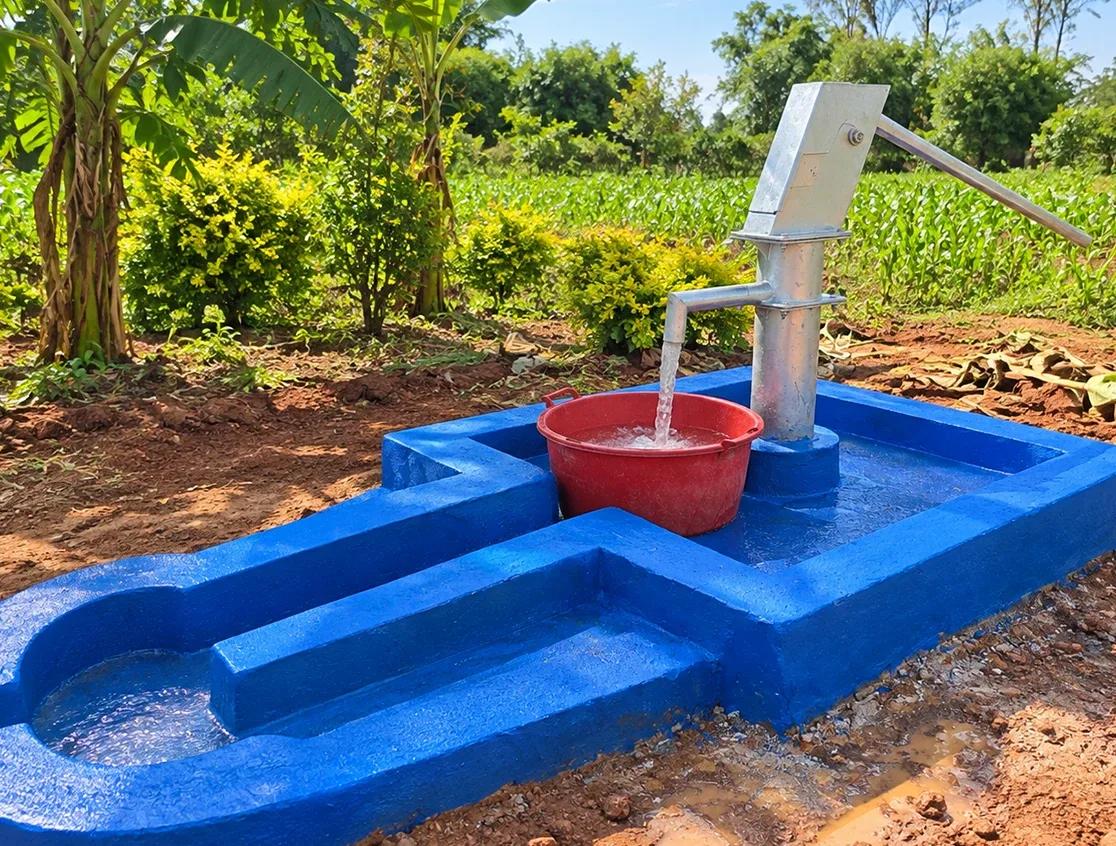
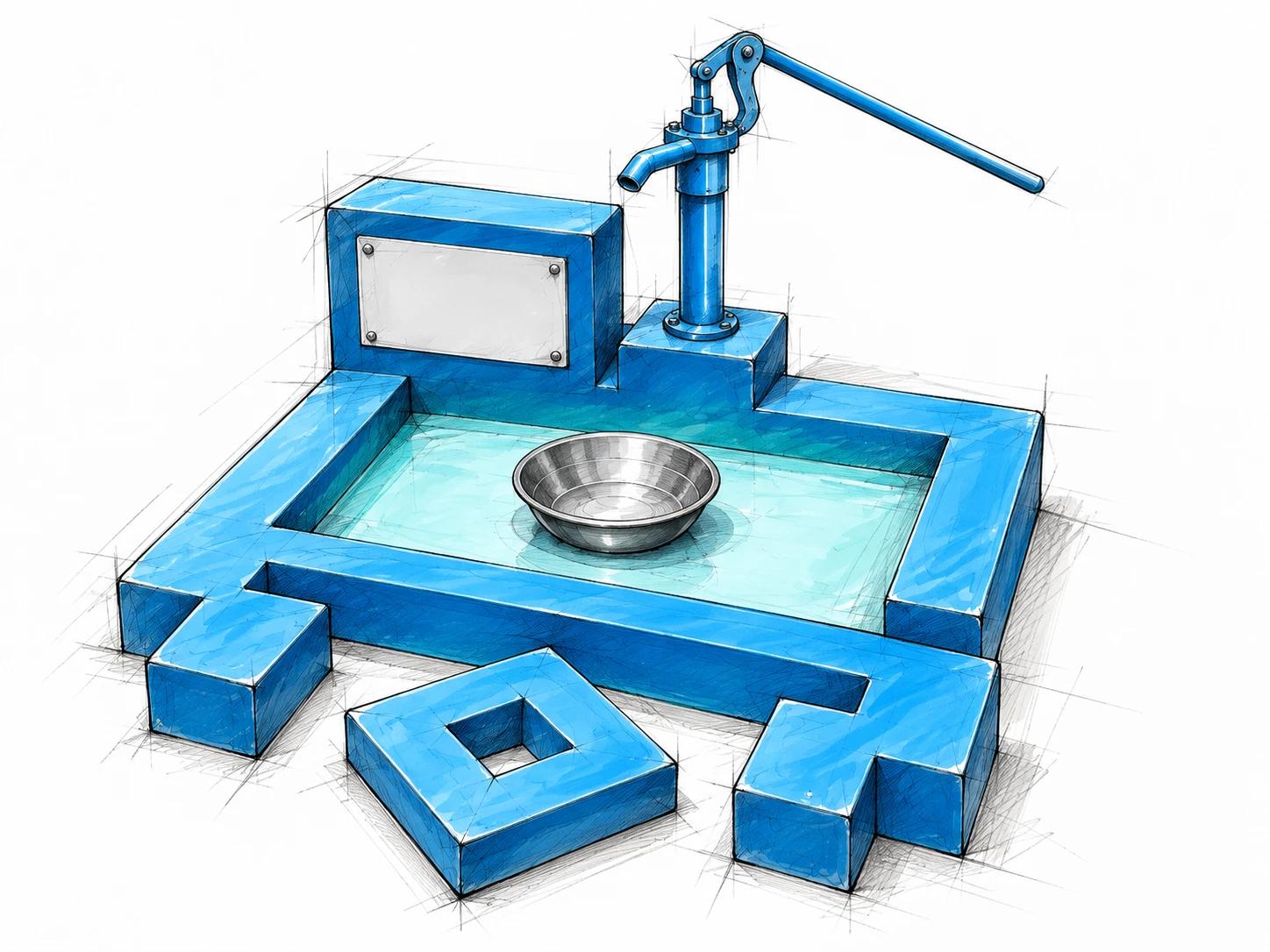 Small hand pumpA hand pump installed on a borehole: water is drawn by hand, with no electricity needed. Simple and sturdy equipment for everyday access to water.BeneficiariesUp to 50 peopleDepth20 mBuild time1 to 2 weeksfrom$210See this well
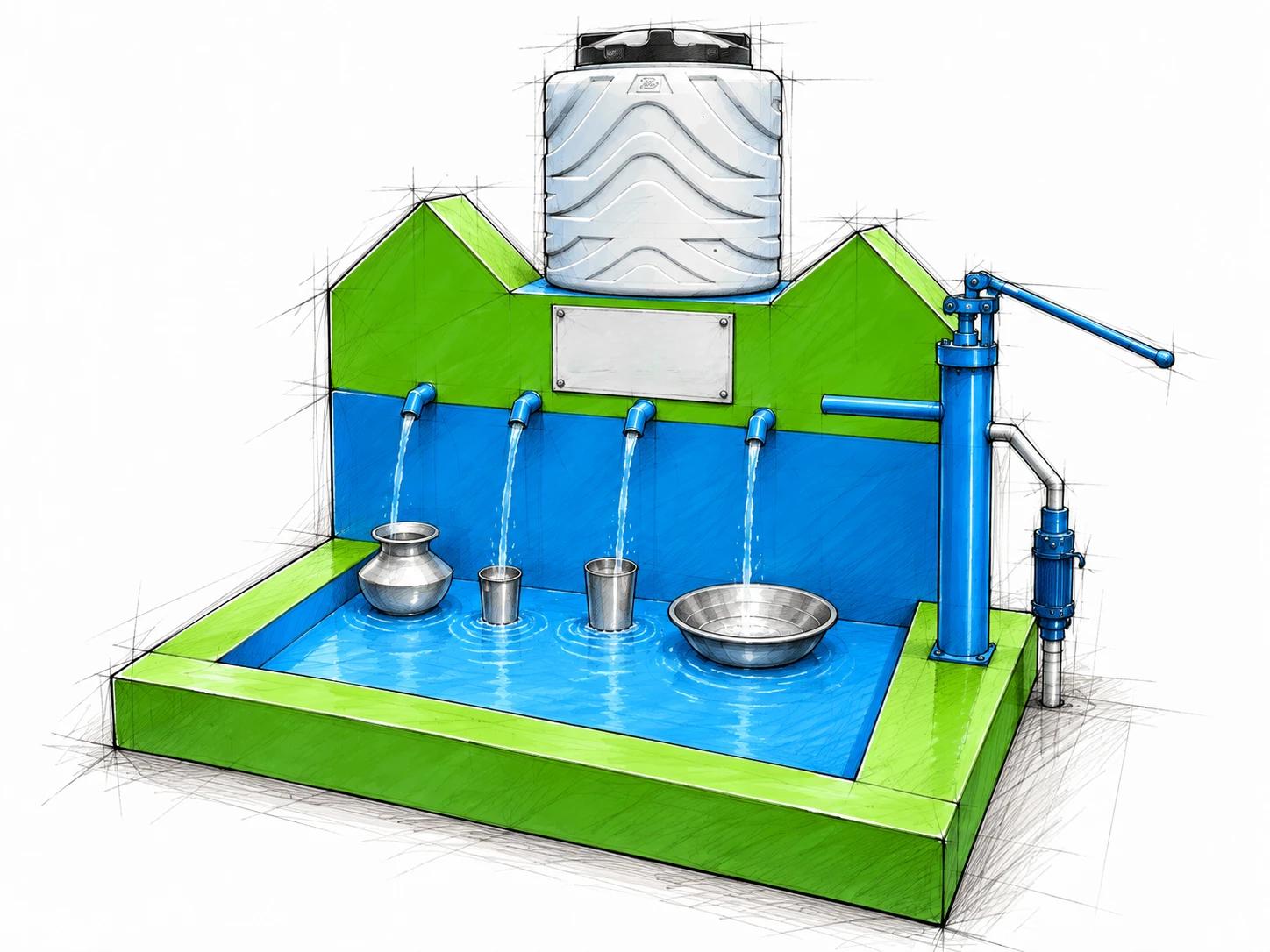
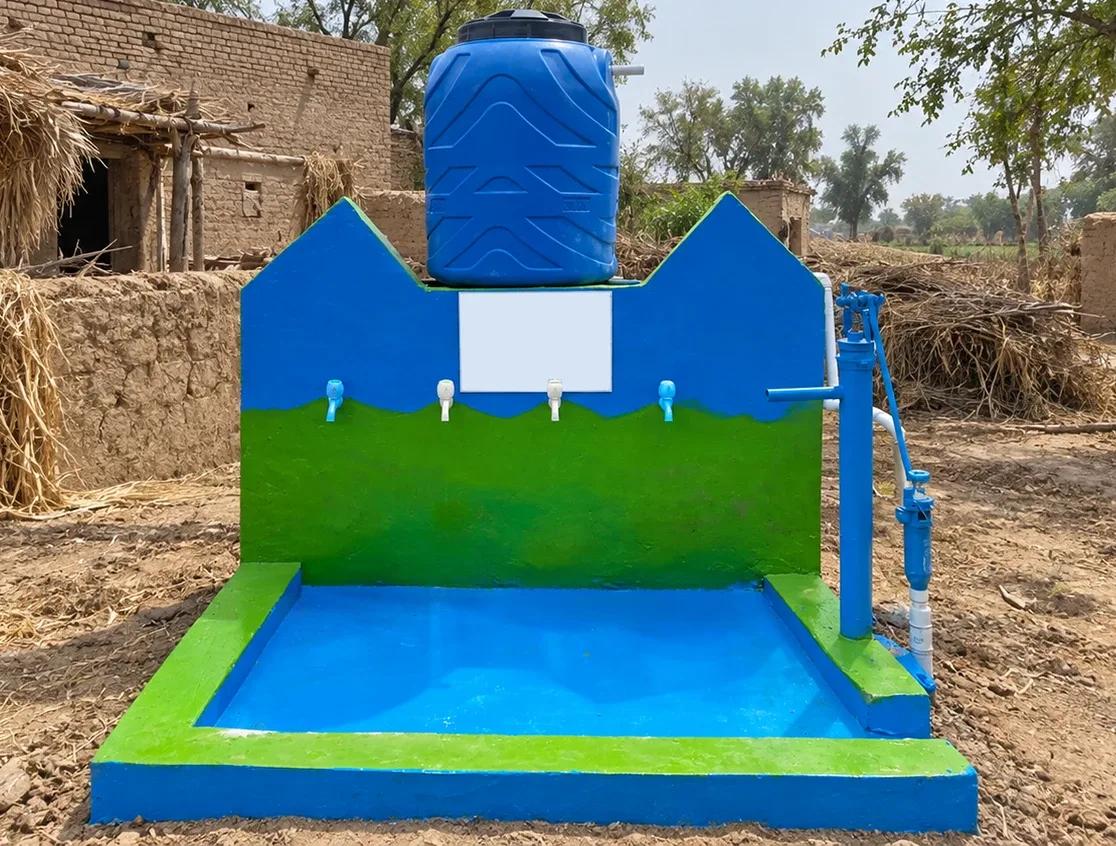 Electric well with taps and water tankA well with an electric pump that fills a water tank: the water is stored and distributed through taps, with no pumping effort.Beneficiaries1 to 2 familiesDepth20 mBuild time1 weekfrom$399See this well
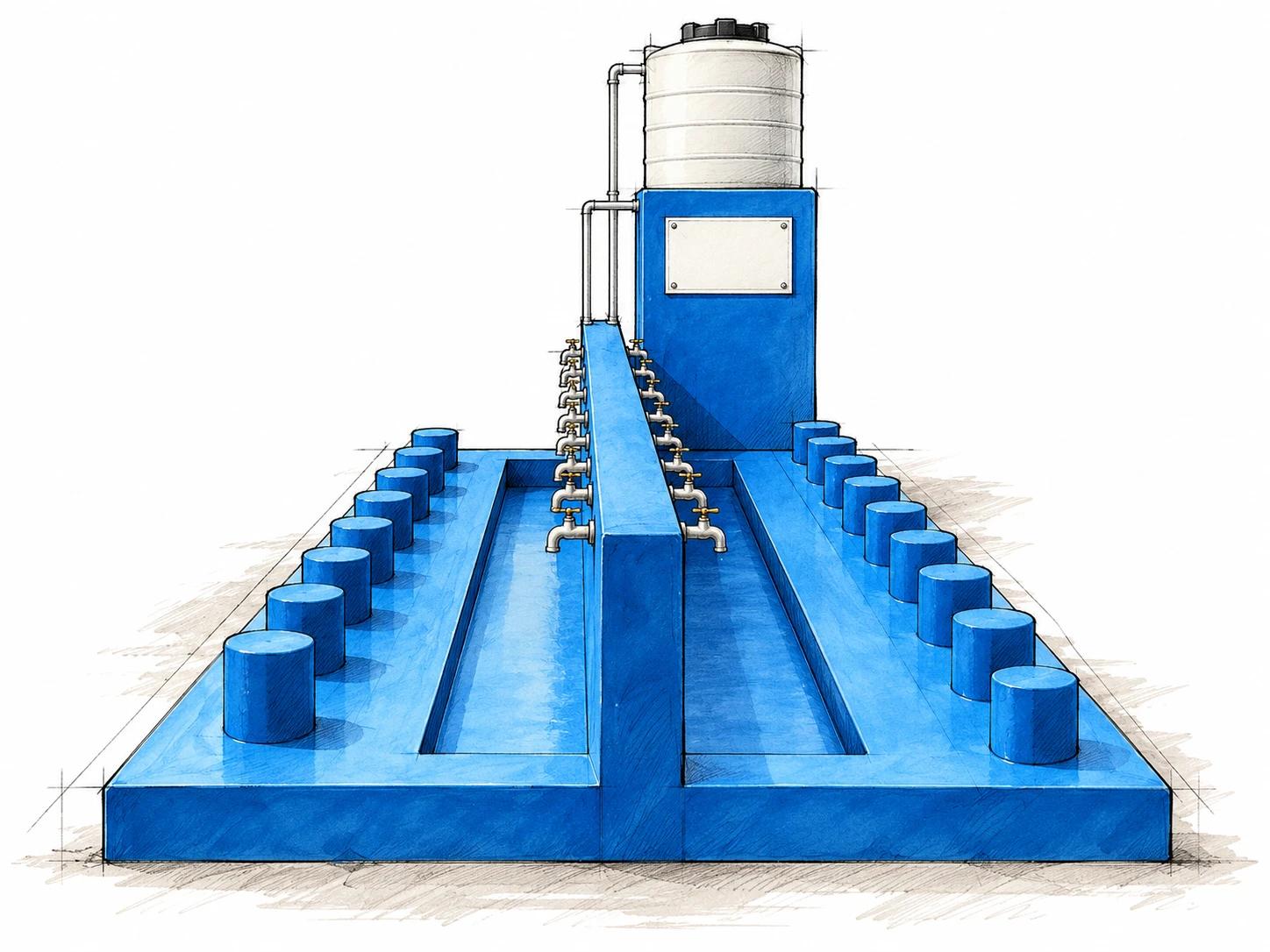
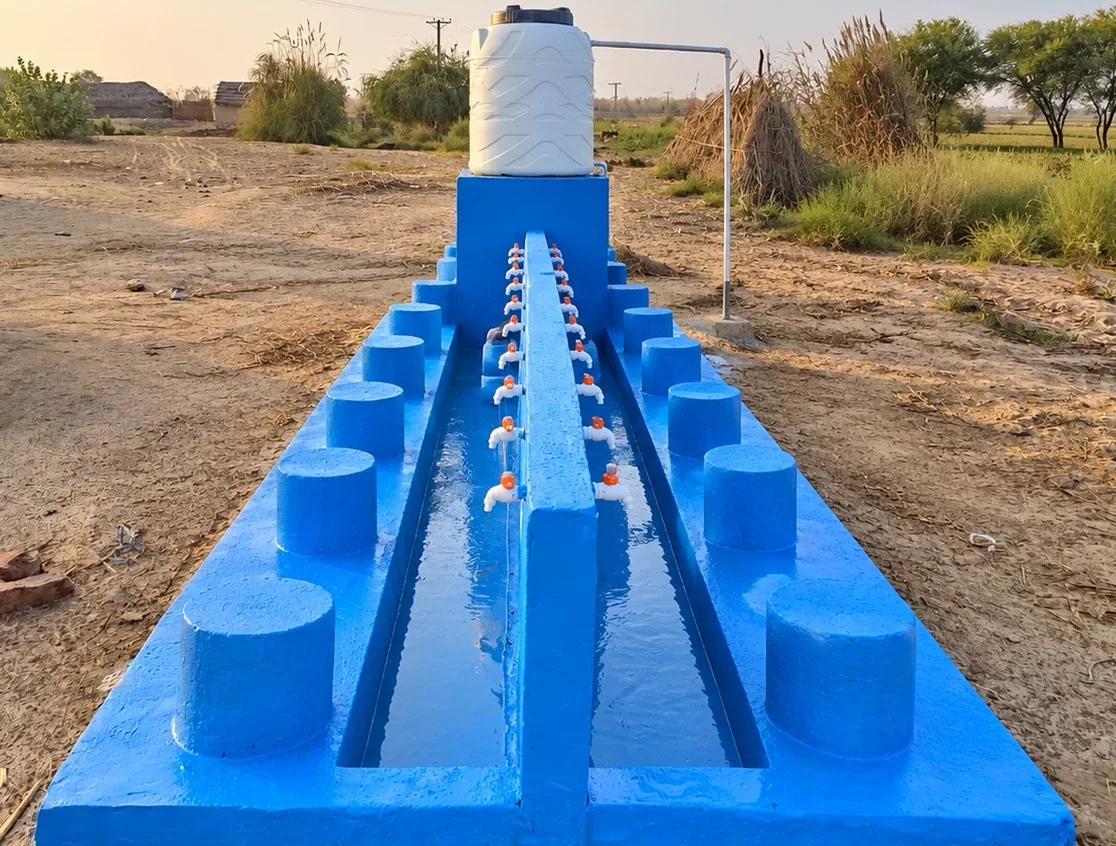 Ablution bench with well, taps and water tankAn ablution bench supplied by a well, with taps and a water tank: a water point designed for performing ablutions comfortably.BeneficiariesMosque worshippersDepth20 mBuild time1 to 2 weeksfrom$629See this well
Source
Lytton, L., Ali, A., Garthwaite, B., Punthakey, J. F. and Saeed, B. (2021). Groundwater in Pakistan's Indus Basin: Present and Future Prospects. World Bank, Washington, DC.
See the report on the World Bank websiteThe figures come from this report or from the studies it cites. The text and charts on this page are our own.
Questions
Water in Pakistan: your questions
A real person from our team will answer you, in English or French.
Is there a water shortage in Pakistan?
Water is becoming scarcer. According to figures cited by the World Bank, the fresh water available per person fell from about 1,500 m³ a year in 2010 to about 1,100 m³ in 2018, and is expected to fall to about 900 m³ by 2050 as the population grows.
Why is groundwater so important in Pakistan?
It supplies more than 70% of the country's drinking water and more than half of the irrigation needs in Punjab. Pakistan pumps about 62 billion m³ of groundwater a year, around a third of all the water it withdraws (World Bank, 2021).
Why is the water table dropping in parts of Pakistan?
Because more water is pumped than nature puts back: according to the World Bank, the amount pumped each year exceeds the recharge from rain and canals, with large local differences. In Lahore, the water table was dropping by more than 0.7 m a year on average by the late 2000s, against 0.3 m in the 1960s.
How does a well help a village in Pakistan?
It brings water close to homes or to the mosque: no more long trips, and water available every day to drink, cook and perform ablutions. You choose the model, the name on the sign, and you receive the photos and videos of the finished well.
Your well in Pakistan
Bring water close to homes
Choose your well in Pakistan and the name on the sign. Our partner builds it, and you receive the photos and videos of the finished well.
Secure payment with Stripe, receipt sent by email