

Guide · Uganda
Access to water in Uganda, in figures
Nearly 7 Ugandans in 10 live in the countryside, where water comes mostly from boreholes, shallow wells and springs. Here is what the official figures say, and why a well changes daily life in a village.
In short
According to Uganda's Ministry of Water and Environment, 68% of rural people lived within 1 km of an improved water source in 2025/26: a rate that has hardly moved since 2019/20, while the target for 2025 was 85%. Most rural people draw groundwater from boreholes fitted with hand pumps, 45 to 70 m deep in the basement rock that covers most of the country.
Key figures
Uganda's water in four figures
Figures from Uganda's Ministry of Water and Environment (MWE), WHO/UNICEF and the British Geological Survey.
- 68%of rural people within 1 km of an improved water source (Ministry of Water and Environment, 2025/26)
- 85%the rural target set for 2025 by the national development plan, not reached
- 43,058deep boreholes in rural Uganda in June 2022, the first source of safe water
- 57%of rural people have at least a basic water service, 30 minutes or less there and back (WHO/UNICEF, 2024)
Under the ground
Water stored in the rock
Most of Uganda sits on old crystalline basement rock. Water is held in its weathered layer and in the cracks of the rock beneath, and most boreholes in the country draw from these aquifers (British Geological Survey).
Boreholes there are generally 45 to 70 m deep, and the water level is typically 5 to 20 m below the ground. Most of the rural population relies on this groundwater, mainly through shared boreholes fitted with hand pumps; springs also matter in the eastern and western highlands.
Rain falls all year, with two wetter seasons from March to May and from September to November: about 600 mm a year in the north, more than 1,600 mm in the south.
usual depths below the ground, in metres
- Water level5 to 20 m
- Borehole depth45 to 70 m
Our charts, based on the British Geological Survey's Africa Groundwater Atlas (2018).
Targets
Access stuck at two thirds
Uganda's national development plan aimed for 85% of rural people with access to safe water by 2025. According to the Ministry of Water and Environment, the rate stayed between 67% and 68% from 2019/20 to 2025/26. Its new target: 78% of the rural population, and at least one reliable safe water source in 95% of villages.
Here, access means living within 1 km of an improved water source. WHO and UNICEF use a measure based on time, 30 minutes or less for a round trip: by their estimate, 57% of rural people had at least a basic service in 2024. Today, 82% of villages have at least one safe water source, according to the ministry.
% of the rural population (Ministry of Water and Environment)
| Year | % of the rural population (Ministry of Water and Environment) |
|---|---|
| 2019/20 | 68% |
| 2021/22 | 67% |
| 2023/24 | 67% |
| 2025/26 | 68% |
| 2025 (target) | 85% |
Our chart, based on the reports of Uganda's Ministry of Water and Environment. 2025: target of the national development plan (NDP III).
- Deep boreholes45.2%
- Shallow wells22.8%
- Protected springs20.5%
- Tap stands and rainwater tanks11.5%
Our chart, based on the Ministry of Water and Environment's 2022 performance report (Uganda water supply database).
In the villages
What a well changes for a village
Nearly 7 Ugandans in 10 live in the countryside (World Bank, 2024). Behind the national averages, nearly one village in five still has no safe water source, according to the Ministry of Water and Environment.
A well or a hand pump close to homes saves long trips and gives families water every day, to drink, to cook and to make ablutions.
Our wells in Uganda
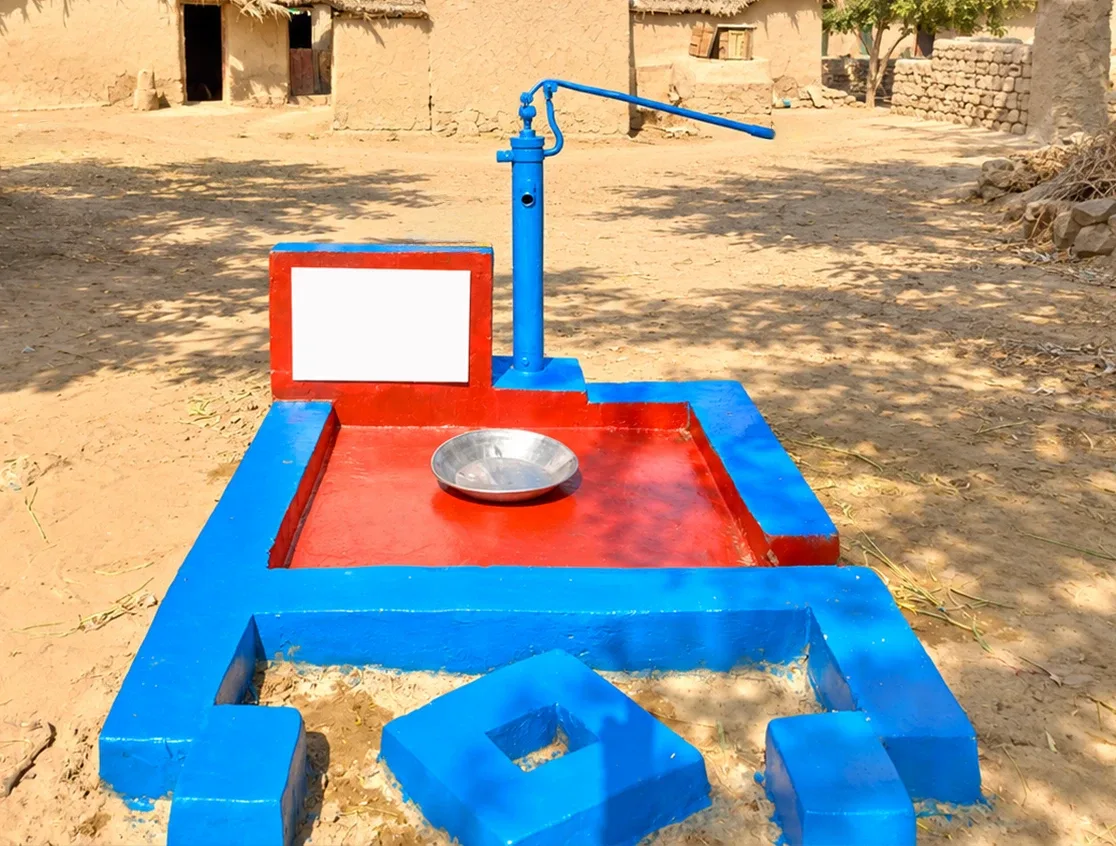
A classic well or a hand pump well: our partner in Uganda builds it, the sign carries the name of your choice, and you receive the photos and videos of the finished well.
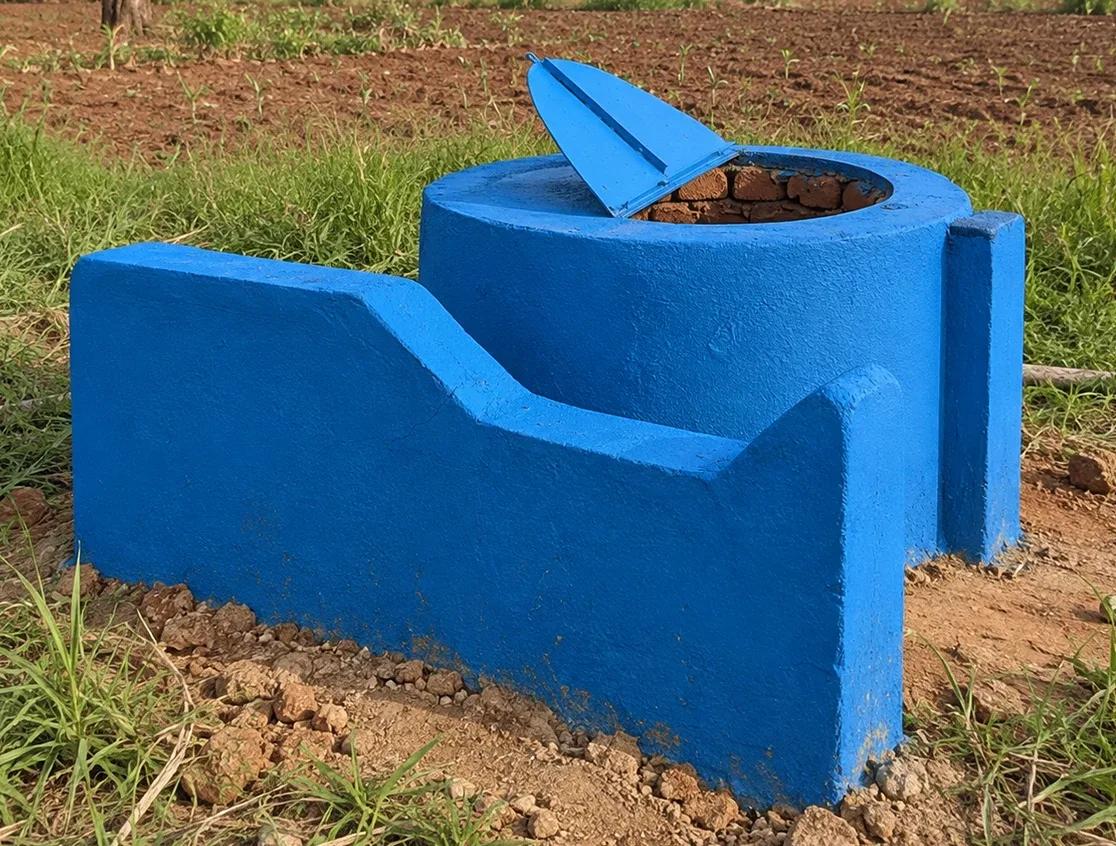
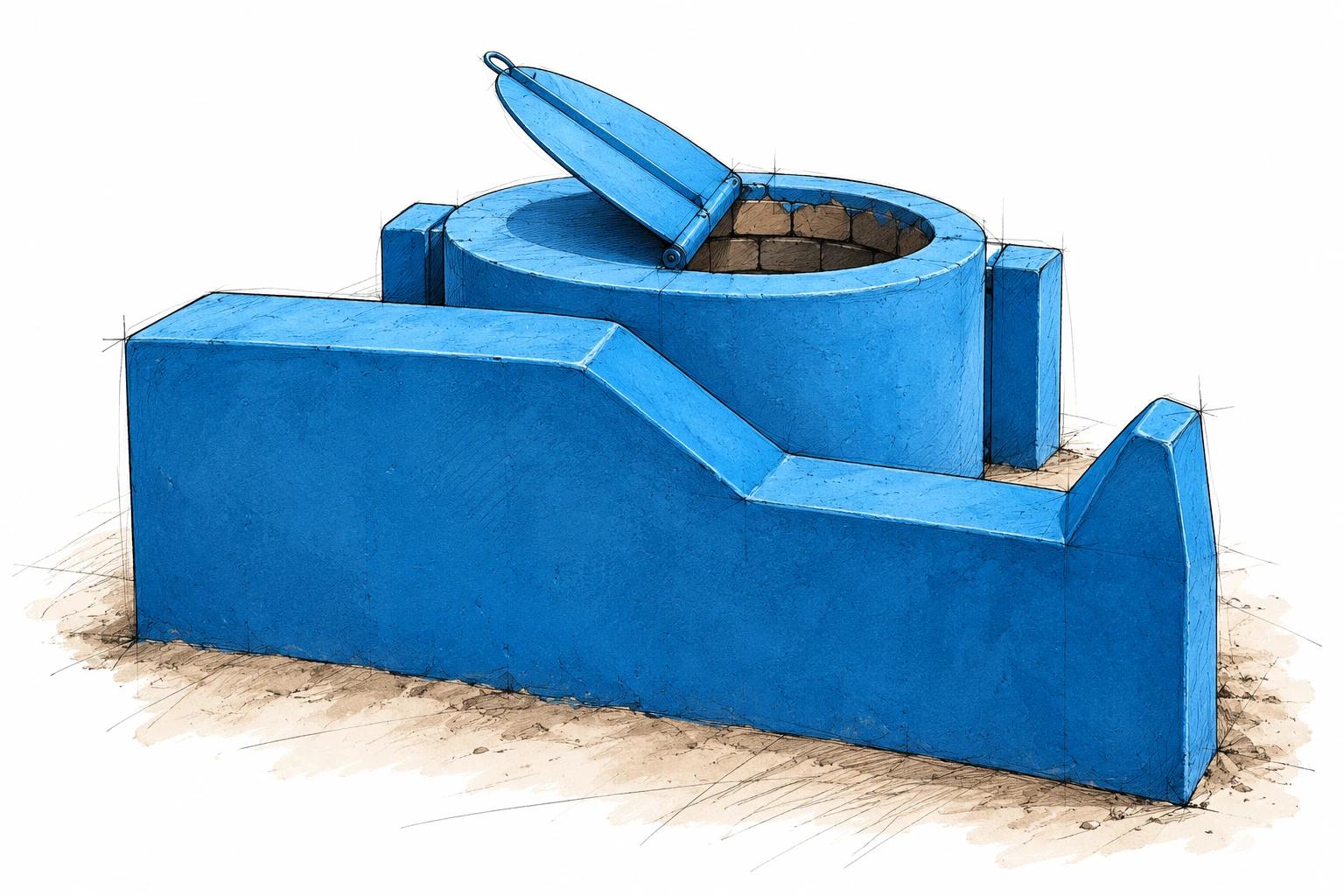 Classic wellA dug and lined well, from which water is drawn with a bucket. A traditional construction that brings water as close as possible to the inhabitants.BeneficiariesAbout 150 peopleDepth10 to 25 mBuild time3 to 4 weeksfrom$789See this well
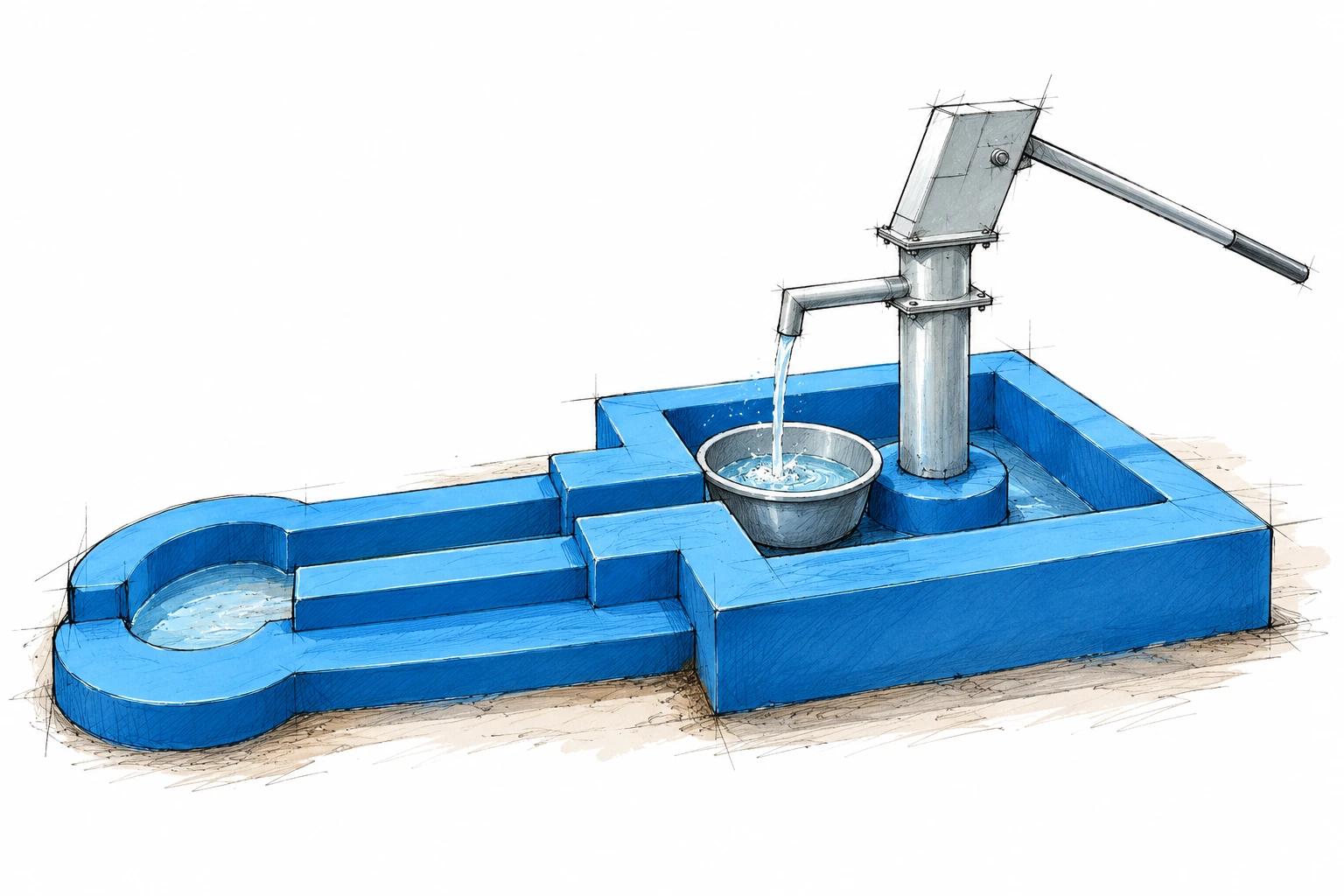
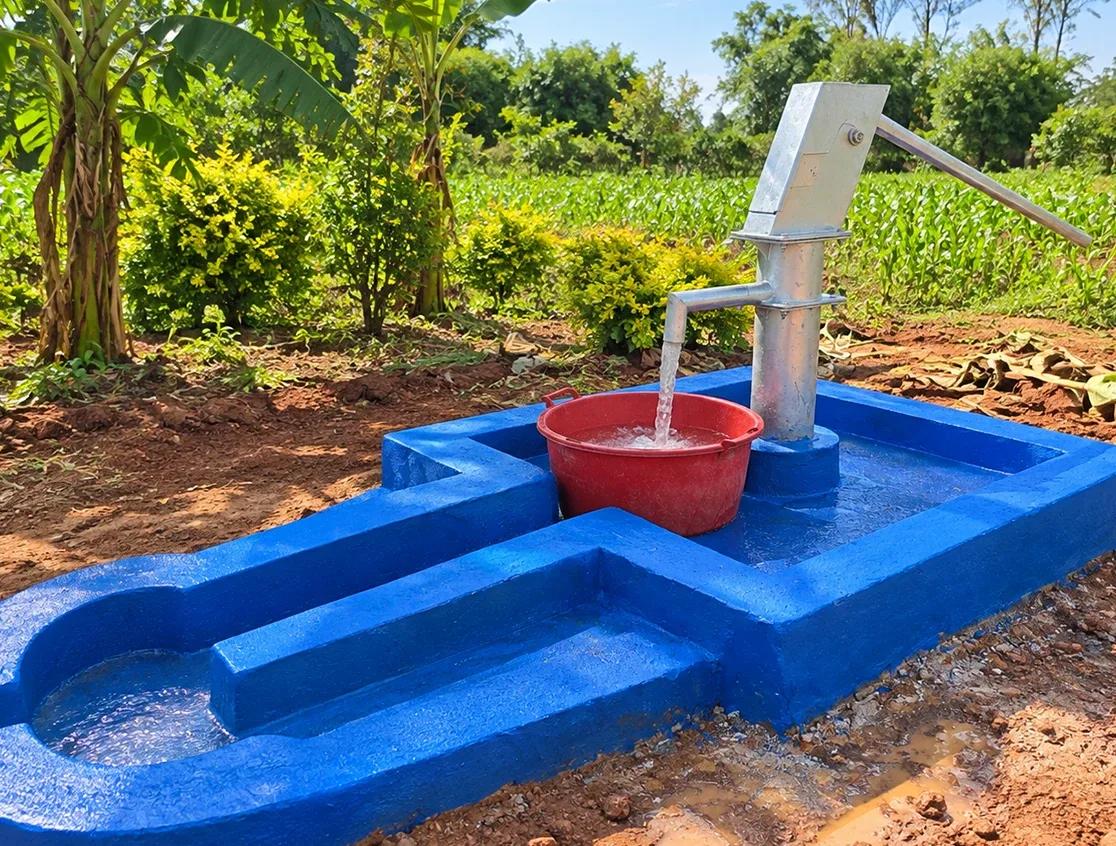 Hand pump wellA well fitted with a hand pump: water is drawn without a bucket or rope, which keeps it better protected from contamination.BeneficiariesAbout 300 peopleDepth10 to 25 mBuild time3 to 4 weeksfrom$1,100See this well
Sources
- Uganda's Ministry of Water and Environment (MWE): Ministerial Policy Statement, financial year 2026/27
- MWE: Vote Performance Report, financial year 2023/24 (fourth quarter)
- MWE: Programme Performance Report 2023
- MWE: Programme Performance Report 2022
- Owor, M., Tindimugaya, C., Brown, L., Upton, K., Ó Dochartaigh, B. É. and Bellwood-Howard, I. (2018). Africa Groundwater Atlas: Hydrogeology of Uganda. British Geological Survey.
- WHO/UNICEF Joint Monitoring Programme (JMP): people using at least basic drinking water services, rural Uganda (World Bank data)
- World Bank: share of Uganda's population living in rural areas (2024)
The figures come from these sources. The text and charts on this page are our own.
Questions
Water in Uganda: your questions
A real person from our team will answer you, in English or French.
Do people in rural Uganda have access to water?
About two thirds of them. According to the Ministry of Water and Environment, 68% of rural people lived within 1 km of an improved water source in 2025/26, and 82% of villages had at least one safe water source. The target for 2025 was 85%.
What does access to safe water mean in Uganda?
For the Ministry of Water and Environment, it means living within 1 km of an improved water source, such as a borehole, a protected spring or a tap. WHO and UNICEF count instead an improved source reached in 30 minutes or less, round trip: by this measure, 57% of rural people had at least a basic service in 2024.
When are the rainy seasons in Uganda?
Rain falls all year, with two wetter seasons from March to May and from September to November. It ranges from about 600 mm a year in the north to more than 1,600 mm in the south (British Geological Survey).
How does a well help a village in Uganda?
It brings water close to homes: fewer long trips, and water every day to drink, cook and make ablutions. You choose the model and the name on the sign, and you receive the photos and videos of the finished well.
Your well in Uganda
Bring water close to homes
Choose your well in Uganda and the name on the sign. Our partner builds it, and you receive the photos and videos of the finished well.
Secure payment with Stripe, receipt sent by email