Guide · Madagascar
Access to water in Madagascar, in figures
Two thirds of Malagasy people live in the countryside, where access to water is still far from guaranteed. Here is what the official figures say, and why a well changes daily life in a village.
In short
In 2024, only 39% of rural people in Madagascar had at least a basic drinking water service, according to WHO and UNICEF, and 15% still drank water from rivers, lakes or ponds. The Ministry of Water reports a national access rate of 55.8% and aims for universal access by 2030. On the highlands, water lies in the weathered layer of the rock, often less than 20 m thick: wells and shallow boreholes can reach it.
Key figures
Madagascar's water in four figures
Figures from Madagascar's Ministry of Water, Sanitation and Hygiene (MEAH), WHO/UNICEF and the British Geological Survey.
- 39%of rural people have at least a basic drinking water service (WHO/UNICEF, 2024)
- 15%of rural people still drink water from rivers, lakes or ponds (WHO/UNICEF, 2024)
- 55.8%national access to water in 2024 according to the Ministry of Water, against 45% in 2019
- 2030the year set by the national water policy for universal access
Under the ground
Shallow water under the highlands
About two thirds of Madagascar, the highlands, sit on old crystalline basement rock. There, water is held where the rock has weathered and cracked, in a layer that is typically less than 20 m thick (British Geological Survey).
Groundwater supports much of the rural population, through shallow boreholes and wells dug into this weathered layer or into river sands. On the coasts and in the west, sedimentary basins hold other aquifers, some of them much deeper.
Rain is very unevenly spread: more than 3,000 mm a year on the north-east coast, less than 400 mm in the semi-arid south-west, with a dry season from May to October. In the south, groundwater is often the only water available for people and livestock.
Annual rainfall, from one end of the island to the other
- North-east coast
- More than 3,000 mm
- South-west
- Less than 400 mm
Our diagram, based on the British Geological Survey's Africa Groundwater Atlas (2018).
A goal for 2030
Slow progress, a long way to go
Madagascar's national water, sanitation and hygiene policy, adopted in 2025, aims for universal access by 2030. The Ministry of Water reports a national access rate that rose from 45% in 2019 to 55.8% in 2024, with 41,026 water points built over that period.
In the countryside, the gap remains wide. According to WHO and UNICEF, the share of rural people with at least a basic drinking water service only rose from 35.3% in 2018 to 39.3% in 2024: more than 6 rural people in 10 still lack one.
% of the rural population (WHO/UNICEF)
| Year | % of the rural population (WHO/UNICEF) |
|---|---|
| 2018 | 35.3% |
| 2020 | 36.6% |
| 2022 | 38% |
| 2024 | 39.3% |
| 2030 (goal) | 100% |
Our chart, based on WHO/UNICEF JMP data (2025 edition). 2030: universal access goal of the national policy.
- Basic service (improved source, 30 min or less)39.3%
- Improved source, but further away2.7%
- Unprotected well or spring42.6%
- River, lake or pond15.4%
Our chart, based on WHO/UNICEF JMP data (2025 edition).
In the villages
What a well changes for a village
Two thirds of Madagascar's 32 million inhabitants live in the countryside (World Bank, 2024). For many families, water still means a walk to a river, a spring or a hole dug by hand.
A well or a hand pump close to homes saves these trips and gives families water every day, to drink, to cook and to make ablutions.
Our wells in Madagascar
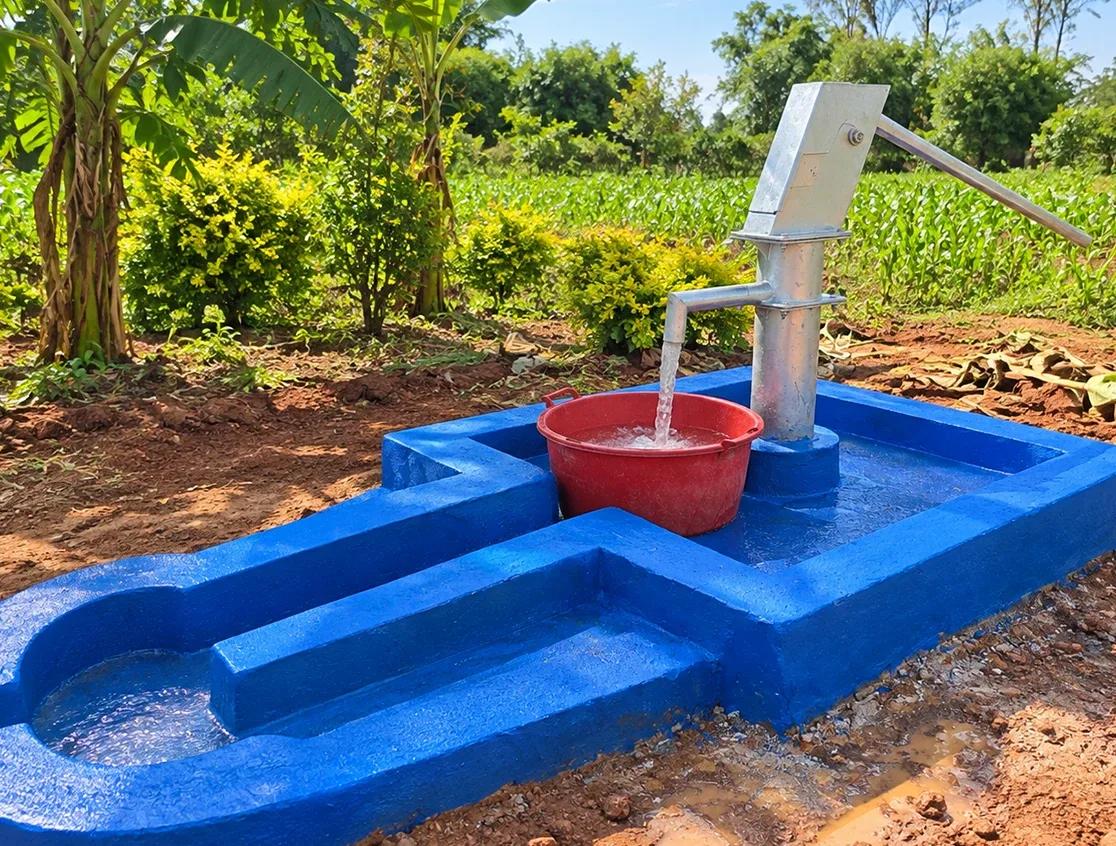
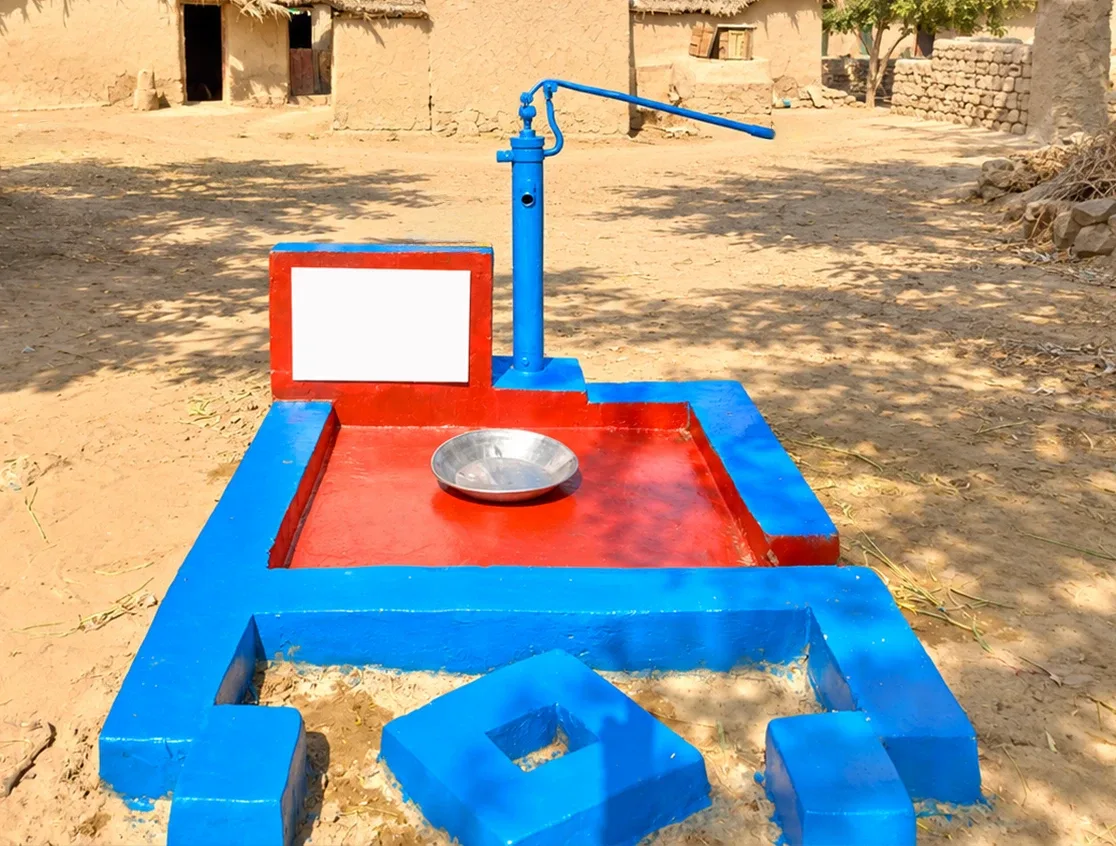
A small hand pump, a classic well with a pulley or an electric well with a tank and taps: our partner in Madagascar builds it, the sign carries the name of your choice, and you receive the photos and videos of the finished well.
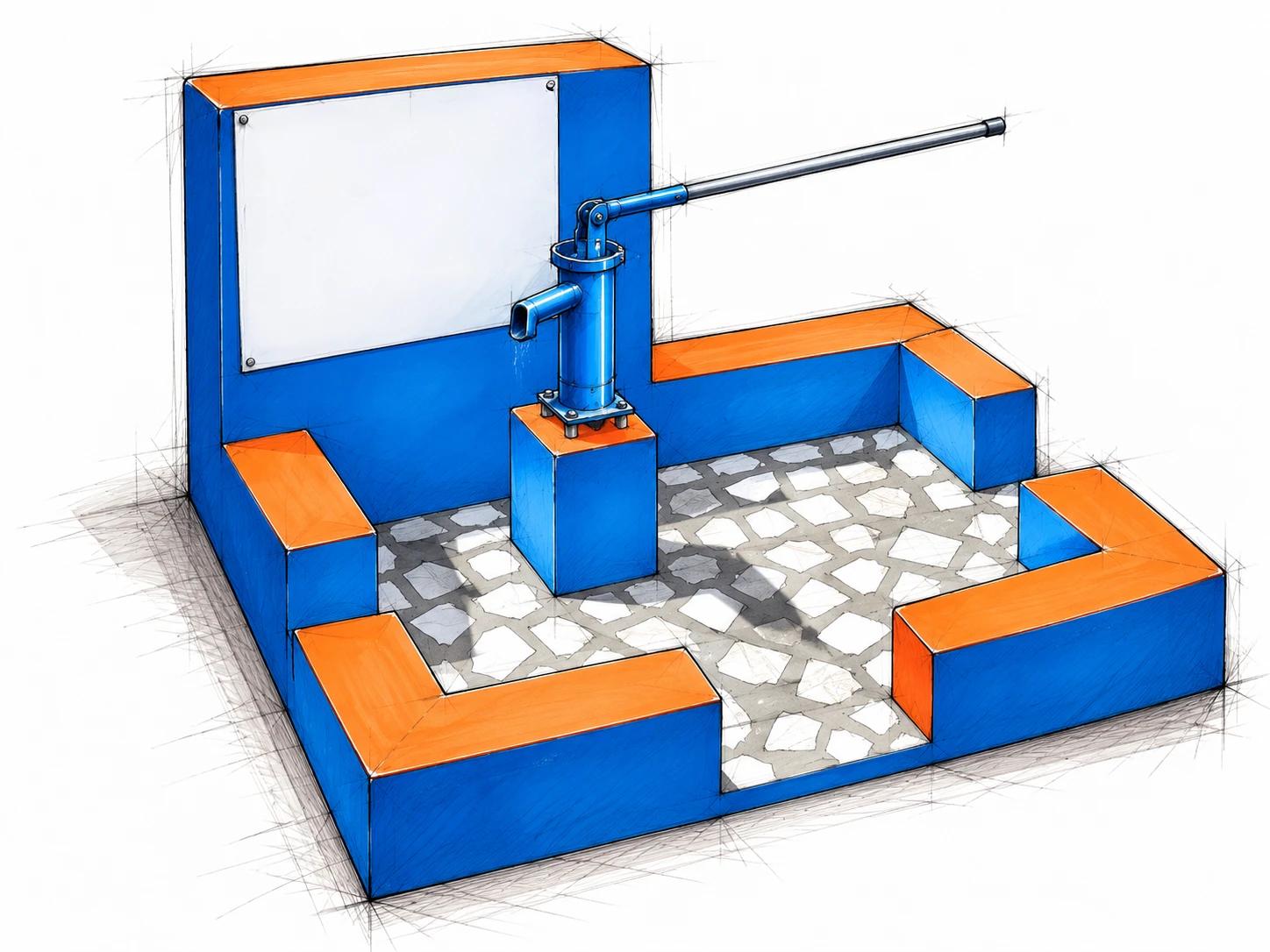 Small hand pumpA small hand pump installed close to people's homes: families get water right next door, with no electricity needed.Beneficiaries6 to 10 householdsDepth4 to 8 mBuild time1 weekfrom$515See this well
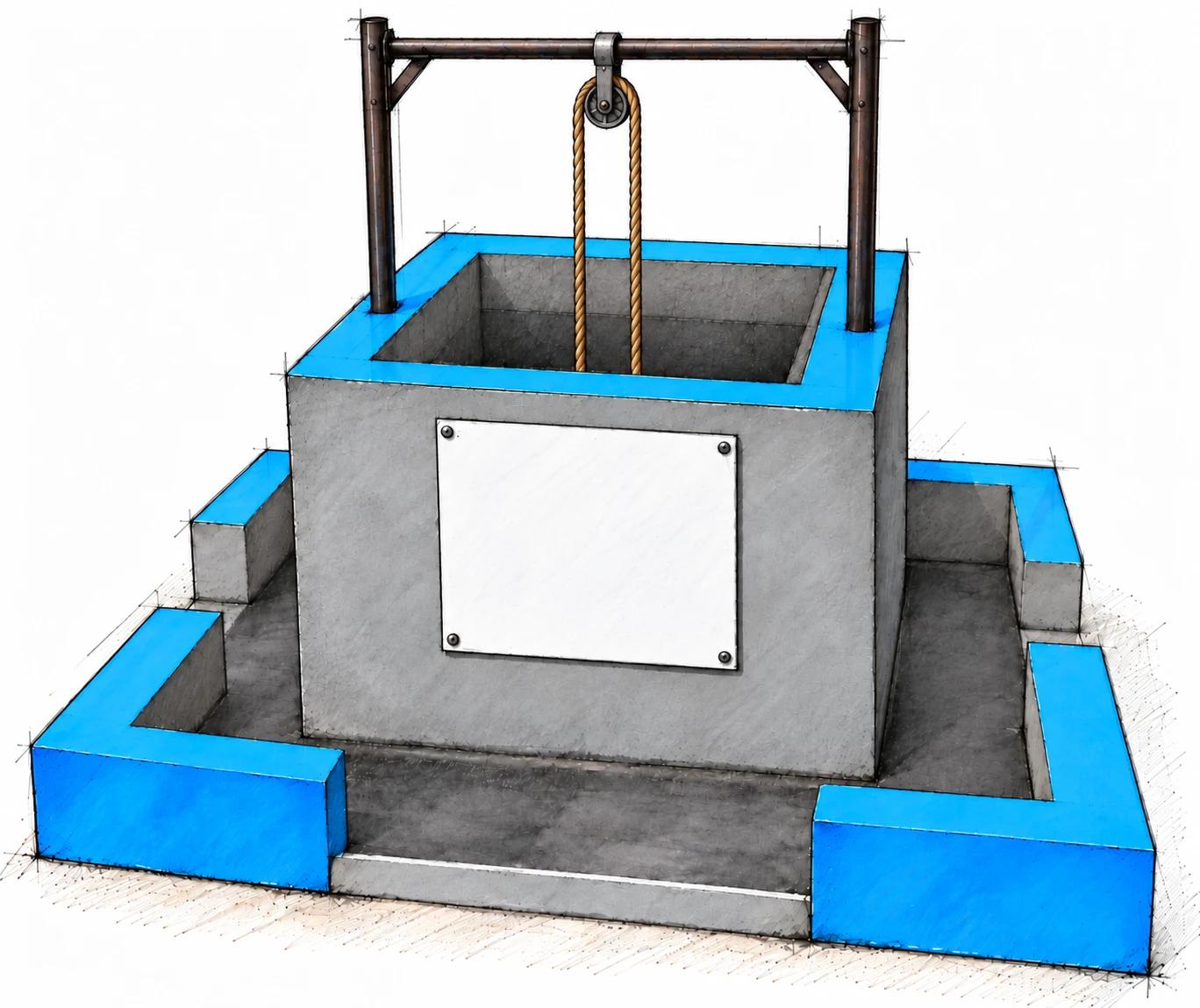
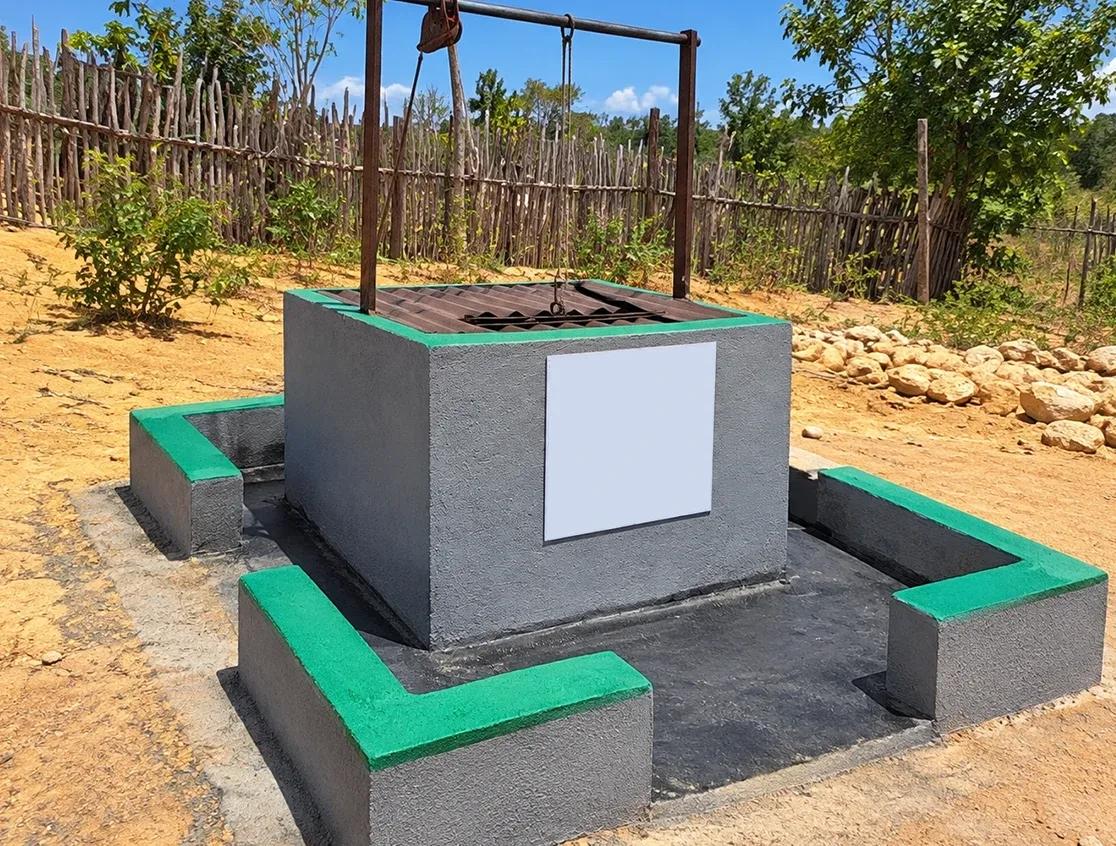 Classic well with a drawing systemA classic well fitted with a drawing system that makes raising the water easier, even for children and the elderly.BeneficiariesAbout 200 peopleDepth10 to 16 mBuild time2 to 4 weeksfrom$1,800See this well
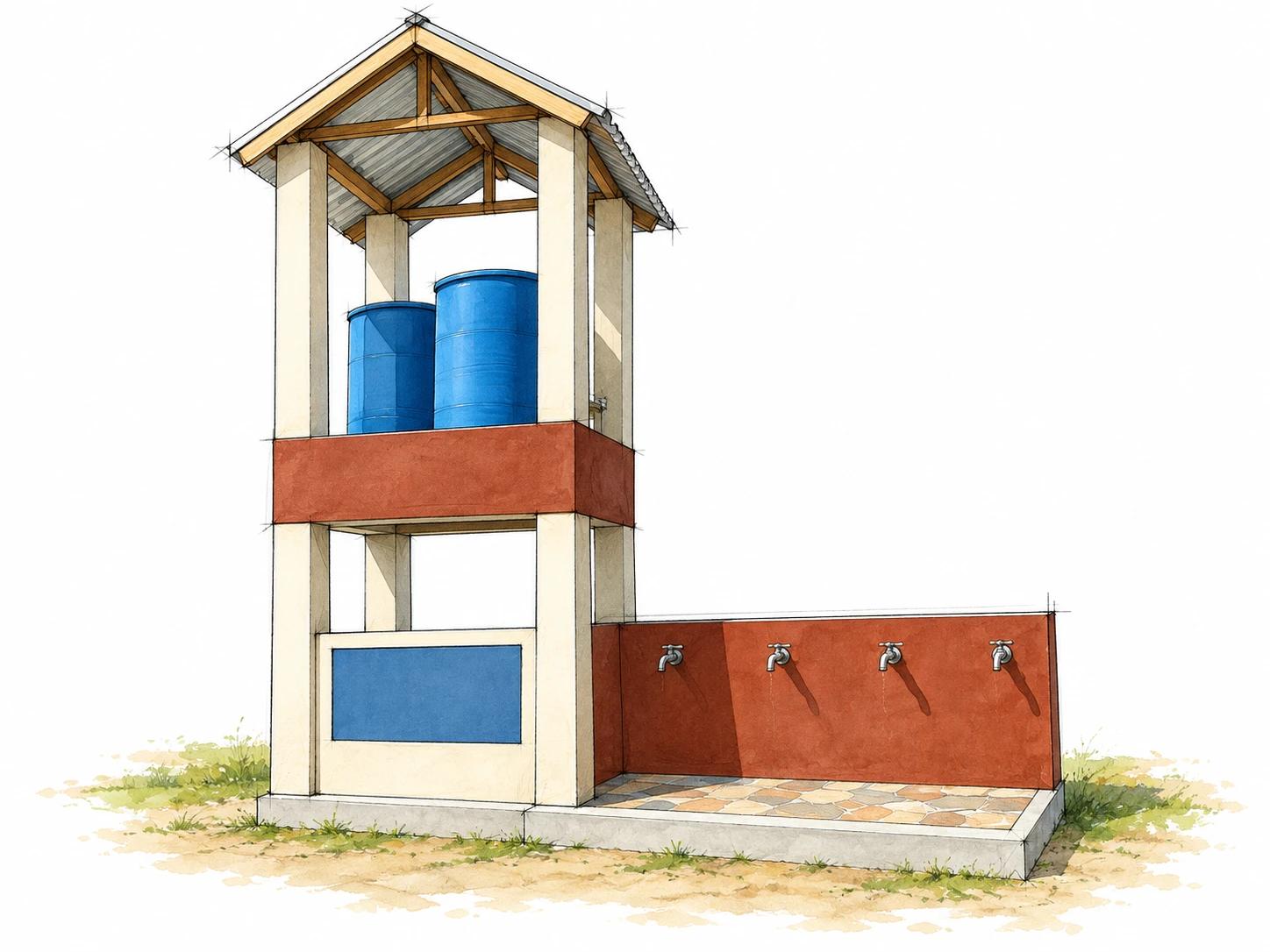
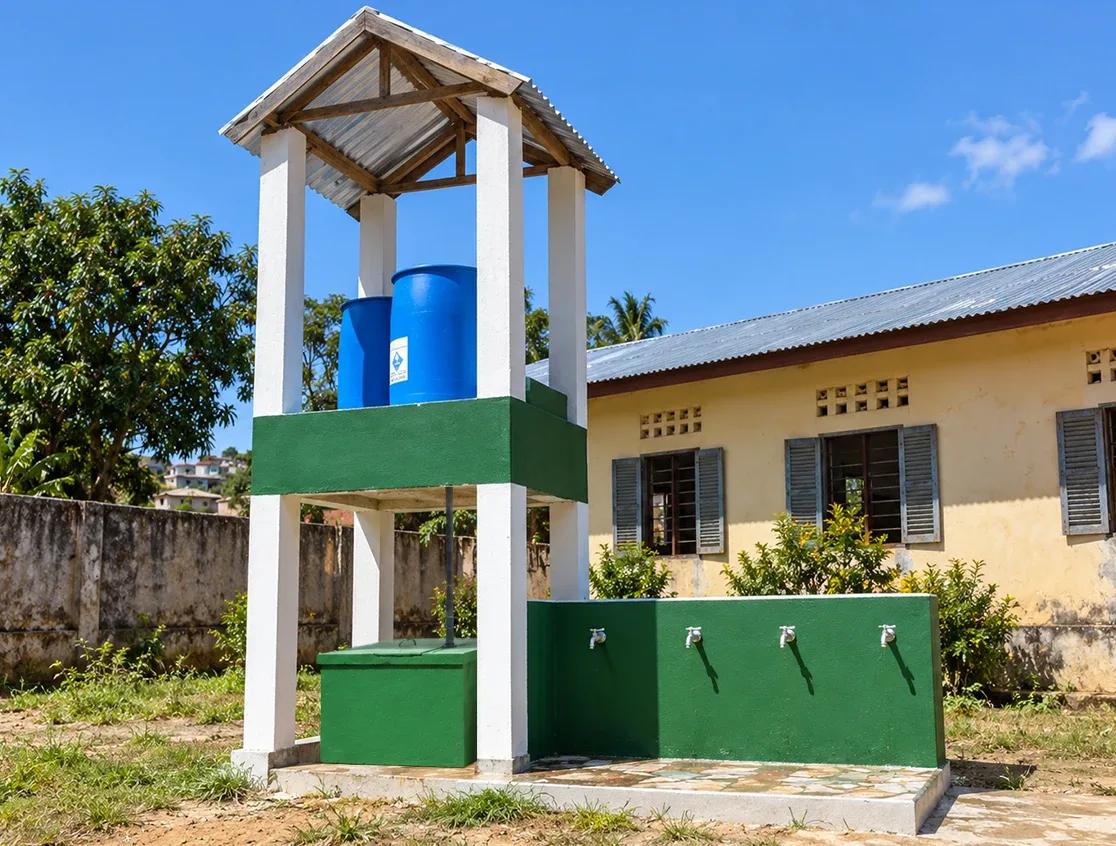 Electric well with taps and water tankA well with an electric pump that distributes water through taps: the most convenient water point, with no pumping effort.BeneficiariesAbout 1,000 peopleDepth10 to 16 mBuild time3 to 6 weeksfrom$5,350See this well
Sources
- Madagascar's Ministry of Water, Sanitation and Hygiene (MEAH): presentation on SDG 6 at the United Nations (UNOSD), April 2025
- MEAH: national water, sanitation and hygiene policy (PNEAH), December 2025
- WHO/UNICEF Joint Monitoring Programme (JMP): household drinking water estimates for Madagascar, 2025 edition
- Upton, K., Ó Dochartaigh, B. É., Monteleone, M. and Bellwood-Howard, I. (2018). Africa Groundwater Atlas: Hydrogeology of Madagascar. British Geological Survey.
- World Bank: share of Madagascar's population living in rural areas (2024)
The figures come from these sources. The text and charts on this page are our own.
Questions
Water in Madagascar: your questions
A real person from our team will answer you, in English or French.
Do people in Madagascar have access to water?
Not yet everywhere. The Ministry of Water reports a national access rate of 55.8% in 2024, up from 45% in 2019. In the countryside, WHO and UNICEF estimate that 39% of people had at least a basic service in 2024, and 15% still drank water from rivers, lakes or ponds.
Why does the south of Madagascar lack water?
Because it rains very little there: less than 400 mm a year in the semi-arid south-west, against more than 3,000 mm on the north-east coast, with a dry season from May to October. In the south, groundwater is often the only water available for people and livestock (British Geological Survey).
Why do the figures on water access in Madagascar differ?
They do not measure the same thing. The ministry's rate covers the whole country, towns included. WHO and UNICEF give rural figures and only count an improved source reached in 30 minutes or less, round trip: by this measure, 39% of rural people had a basic service in 2024.
How does a well help a village in Madagascar?
It brings water close to homes: fewer long trips, and water every day to drink, cook and make ablutions. You choose the model and the name on the sign, and you receive the photos and videos of the finished well.
Your well in Madagascar
Bring water close to homes
Choose your well in Madagascar and the name on the sign. Our partner builds it, and you receive the photos and videos of the finished well.
Secure payment with Stripe, receipt sent by email